
Ethical travel is often presented as a clear-cut solution to the harms of tourism. It is a word that’s thrown around for marketing purposes. More and more travelers are looking to travel in a way that harmonizes the experiences between them and the communities that they visit. Is ethical travel actually possible, or is it simply an illusion?
We wish the honest answer were simple, but it’s not. Let’s dive into this.
This perspective is informed by academic training in human rights and international conflict, combined with years of experience in international relations and development and designing small-group trips with local guides, activists, and community organizations through The Hybrid Tours.
The problem with “perfectly ethical” travel
Travel, by definition, involves movement, consumption, and unequal access to resources. Flights emit carbon. Tourism affects local economies. Visitors arrive with passports, currencies, and freedoms that locals sometimes might not have.
From a strict human rights or environmental lens, no travel is impact-free. Just like no action is impact-free. Even taking public transportation to work has an impact on the environment and others. However, it still is better than driving to work. Expecting perfection for any issues, especially travel, sets an impossible standard and often leads to performative solutions rather than meaningful ones.
Ethics as reduction, not elimination, of harm
A more realistic approach understands ethics as harm reduction, not harm avoidance. The question is not whether travel has impact, but whether that impact is:
- acknowledged rather than ignored,
- diminished rather than outsourced,
- and shared rather than extracted.
This reframing shifts ethical travel from a branding exercise to a decision-making framework.
Who decides what is “ethical”?
One of the most overlooked issues in ethical travel is authority. Too often, ethics are defined by companies or travelers from outside the destination, rather than by the people most affected by tourism.
A more grounded approach asks:
- Who is involved in shaping the experience?
- Who has the power to say no?
- Whose definition of benefit is being prioritised?
Ethical travel is less about imposing values and more about listening to local ones, even when they complicate narratives.

Can travel support human rights?
Travel does not automatically support human rights… but it can intersect with them in meaningful ways. This happens when tourism:
- creates dignified livelihoods rather than dependency,
- supports grassroots initiatives rather than symbolic causes,
- and fosters long-term relationships instead of one-off encounters.
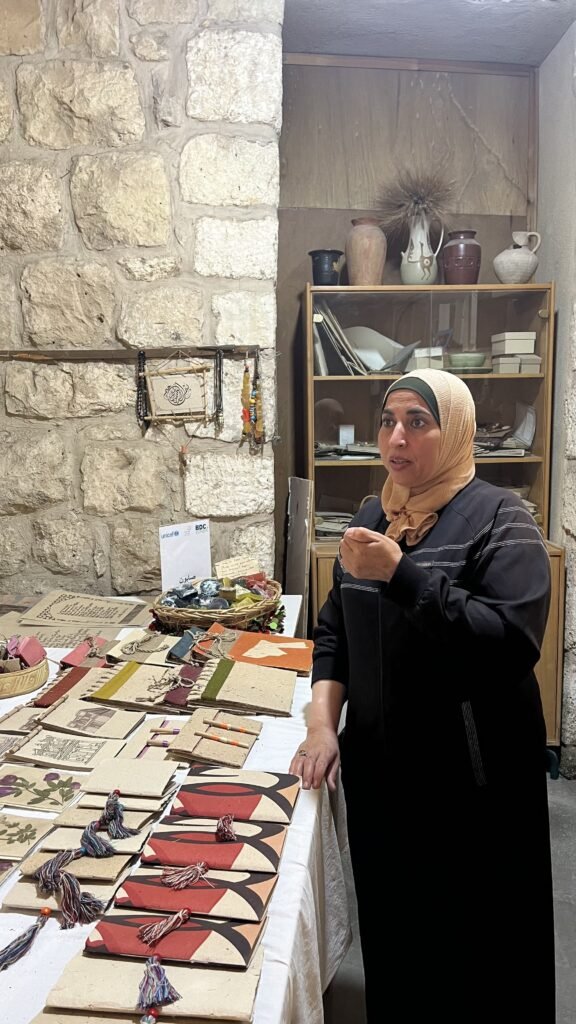
In the right contexts, ethical tourism can help sustain independent guides, women-led businesses, and refugee-led organizations where other economic options are limited. In others, it has done harm by commodifying suffering.
The intention is the same, but the structure isn’t. There is a difference between visiting a marginalized community and being a passerby, in comparison to engaging with an organization that works in that community and directly supporting causes it
The role of the traveler
For many travel companies, their job is to validate your morals and disguise this as ethical travel. Making you feel good about visiting without taking into account what is truly happening behind the scenes.
Visiting an orphanage and spending a day volunteering there sounds “great” in practice for a traveler, but it actually causes more harm than good to the children you’re visiting. Traveling to a country to take goods while it’s in the middle of a humanitarian crisis might be an enlightening experience for a traveler, but in reality is taking away resources from those who need it. If you want to read more about this, Nepal is a great example of how doing “right” can be wrong.
Ethical travel is not about how meaningful an experience feels to the visitor, but about whether their presence strengthens or harms the communities they enter. The role of the traveler is not to intervene or “rescue”, but to understand when their presence is appropriate, and when the most ethical choice is to step back, support locally led efforts, or not go at all.

So, is ethical travel possible?
Ethical travel is possible only when travelers accept that they are not the main characters, and that their presence will always carry consequences… some of them uncomfortable. It requires trusting local communities to define their own needs, rather than assuming “we” as travelers know better simply because we can afford to be there.
Ethical travel is not about being a “good” traveller. It is not a badge, an aesthetic, or a feeling. It is about responsibility: understanding impact, recognizing limits, and knowing when visiting causes harm rather than benefit.
This perspective is shaped by years of working in responsible tourism alongside local guides, activists, and community organizations – where the focus is not on how travel looks from the outside, but on how it functions on the ground.