Sustainable Travel is no longer a concern for a few… It’s a shared responsibility. Whether you’re a first-time traveler or you’ve made your way around the world for a while, the way you do it has a real impact on the communities, local economies and ecosystems. Here are 12 practical sustainable tips for 2026 to help you explore the world more consciously, meaningfully and consciously.
Learn Before You Land
Sustainable travel is as much intellectual as it is environmental. Before you visit a country, read up a bit on it. Take your time to try and understand its history, culture and politics. You can always be a little informed and that helps you ask for detailed questions once you arrive. This is especially important in destinations that have experienced conflict, colonization or ongoing social struggles.
Reading up, watching documentaries, or even listening to a podcast all helps you show up in a more respectful way, as a curious and informed guest – not just a tourist looking for “cool experiences”.
Travel to Destinations that Need it the Most
Overtourism in places like Venice, Santorini and Koh Phi Phi creates real harm. Not only does it cause environmental harm but it also forces communities to be priced out of their own neighborhoods. This 2026, try redirecting your travel spend towards under-visited destinations that truly benefit from tourism income.
Countries like Bosnia & Herzegovina, Kosovo, Armenia & Georgia offer amazing experiences with much less environmental and social strain and your visit makes a more meaningful difference.

Global hotel chains and international Airbnb landlords extract significant revenue from local travel economies. Opt instead for locally-owned guesthouses, small boutique hotels, or even local chains. The money stays in the community, the experience is more authentic and you often get far better hospitality as a bonus. Even in tourist sites like Petra, this isn’t always easy. But at The Hybrid Tours we make a point to ALWAYS use and vouch for every single accommodation that we use, and it must always be locally-owned.
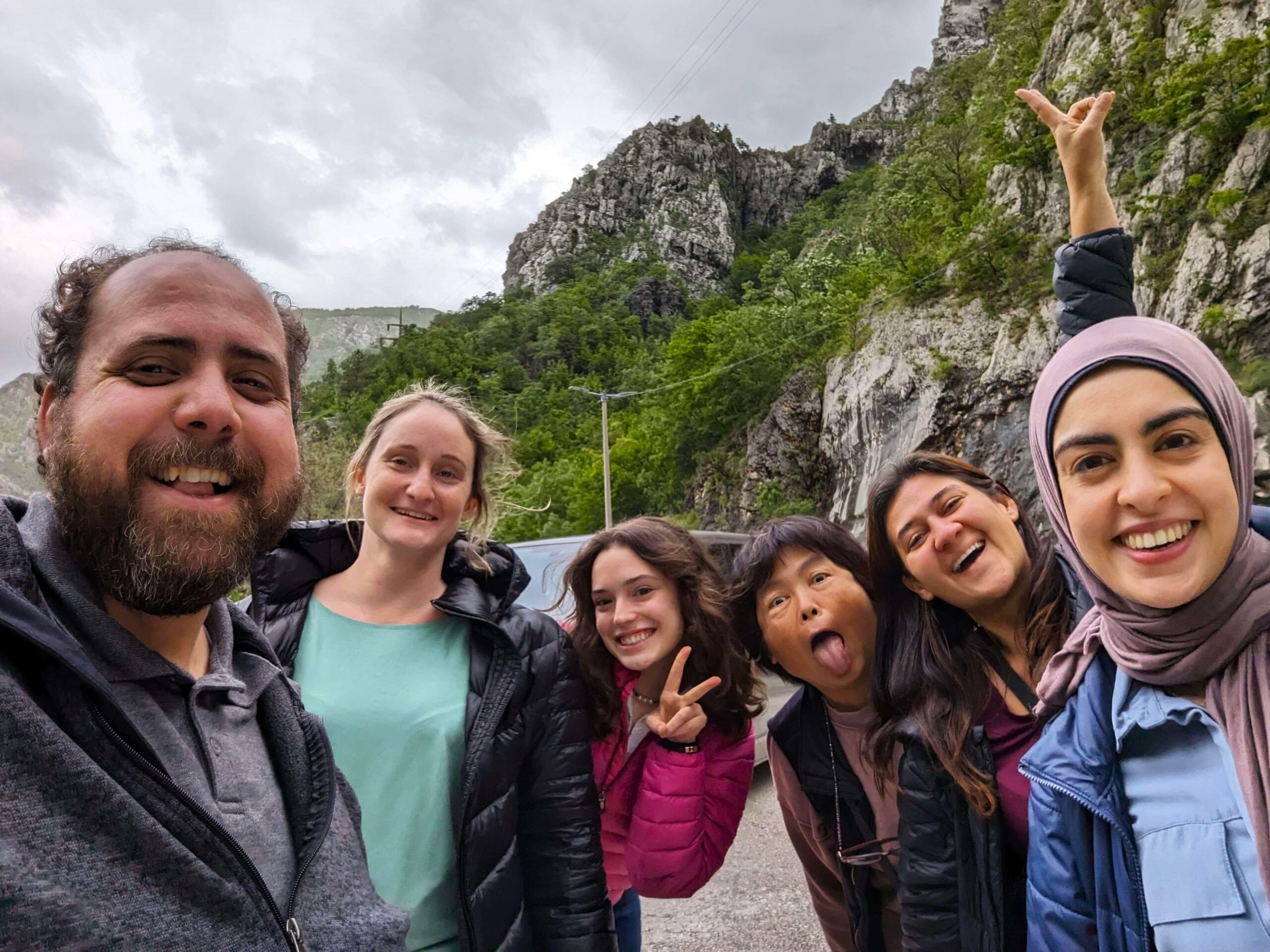
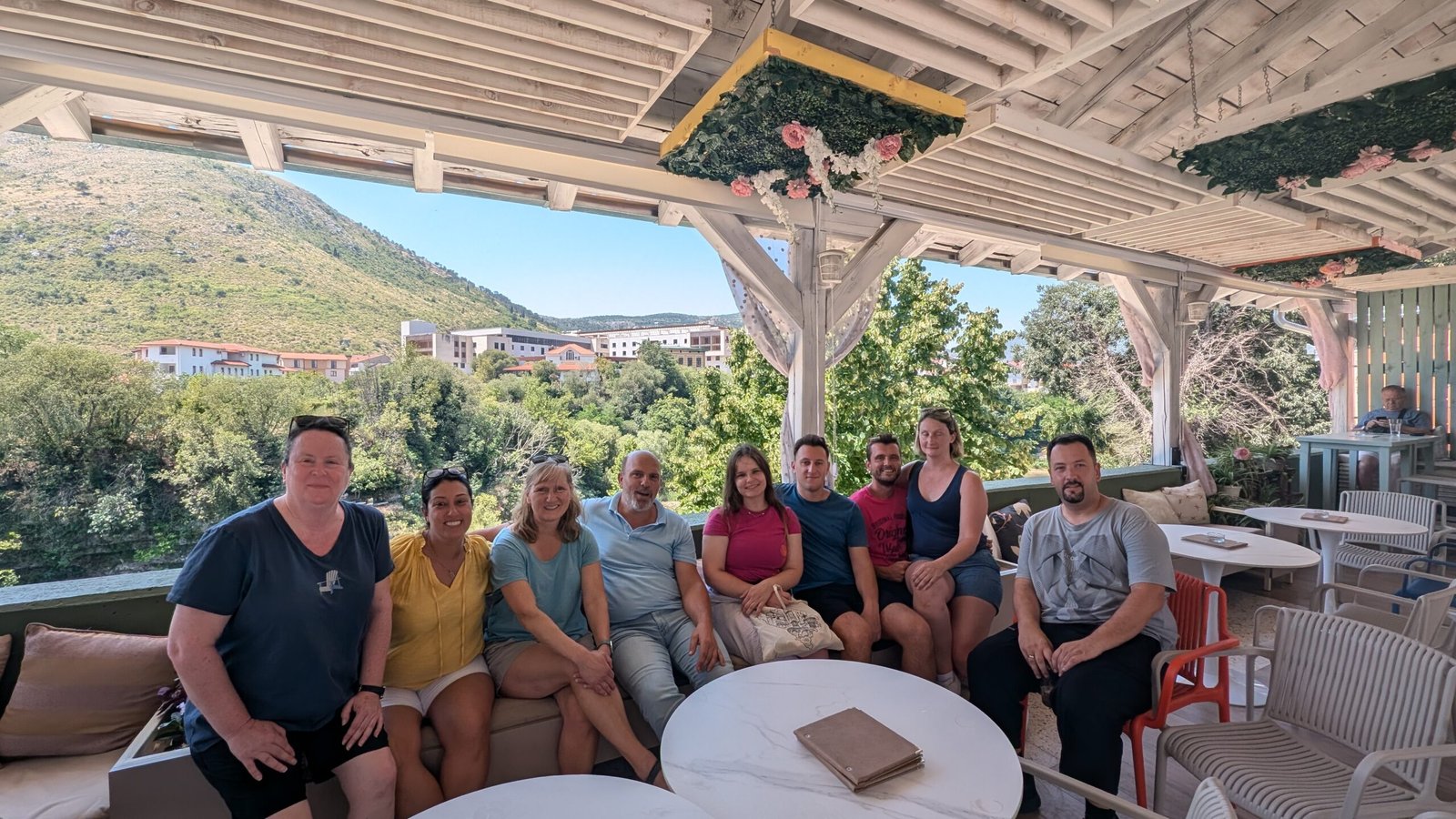
Tip: traveling with a small group is one of the most sustainable ways to travel. Shared transport, shared accommodation and doing so in an immersive way by limiting the number of people that join can dramatically reduce per-person carbon footprints – while building connections that solo travel rarely offers.
Stay in Locally-owned Accommodation
Global hotel chains and international Airbnb landlords extract significant revenue from local travel economies. Opt instead for locally-owned guesthouses, small boutique hotels, or even local chains. The money stays in the community, the experience is more authentic and you often get far better hospitality as a bonus. Even in tourist sites like Petra, this isn’t always easy. But at The Hybrid Tours we make a point to ALWAYS use and vouch for every single accommodation that we use, and it must always be locally-owned.
Tip: traveling with a small group is one of the most sustainable ways to travel. Shared transport, shared accommodation and doing so in an immersive way by limiting the number of people that join can dramatically reduce per-person carbon footprints – while building connections that solo travel rarely offers.

Buy Souvenirs Directly from Artisans
Souvenir shops at airports and some tourist centers are often stocked with mass-produced goods that were manufactured abroad. If you’re shopping for gifts or mementos, look for local artisans, craft markets, and community cooperatives. Ask where products are made and by whom. Buying directly from makers ensures your money supports real livelihoods.
Choose Ethical Tour Companies over Mass Tourism Companies
One of the best tips we can offer this 2026 is to research who you’re booking with. Large companies often funnel money out of the destinations they visit, leaving local communities with little economic benefit. Ethical tour operators, on the other hand, take a number of steps and measures to avoid tourism leakage and ensure that those who benefit the most are the communities themselves.
Look for companies whose mission goes beyond sightseeing – operators that actively do the work to amplify local voices, support displaced communities, and decolonize the travel narrative. At The Hybrid Tours, every journey is designed with this intention at its core.
Respect Cultural Dress Codes and Norms
Sustainable travel also means respecting the communities that you visit – not just the land. Research local dress codes before you travel, particularly for religious sites, traditional communities or conservative regions. This is a basic act of respect towards those who call that place home.
Be Mindful of Wildlife and “Sanctuaries”
Wildlife conservation is unfortunately a term that is still thrown around without any real context. Meaning that some companies and organizations might use this to profit from animals in harmful ways. Animals in captivity, riding elephants or paying for photos with wild animals.
When visiting natural sites, stay on marked trails, never remove anything from the environment, and leave no trace. When in doubt, do some research about the place you’re visiting before you go.

Slow Down - Stay Longer in Fewer Places
Rushing through 5 countries in 11 days generates more carbon emissions and doesn’t allow you to get a deeper sense of the country you’re visiting. The more time you spend in one country, the deeper sense of understanding you get from it. Sustainable travel, after all, is about depth, not distance. This way you’ll reduce your carbon footprint, spend more locally and gain a far deeper understanding of the culture.
Share Responsibly on Social Media
Your travel content has influence. When sharing content, try providing context for the places you’re visiting, so it doesn’t become just part of an aesthetic backdrop. If you photograph people, always ask for permission first. Do not photograph children under any circumstance.
What to you is just a place you’re visiting, that to someone else is their home. Be mindful and respectful. Responsible storytelling might be one of the most underrated tips for sustainable travel this 2026, and one of the most powerful.
Eat Local, always
Food is one of the fastest and best ways to support local economies. Skip international chains. If you like to have breakfast included in your hotel booking, try to stay in a locally-owned hotel. Seek out street food vendors and local markets. Go to the restaurants the locals go to.
Not only does your money go directly to the community, but you’ll also taste the real culture of the place you’re visiting. If in doubt, ask your guide where they eat.
Engage with Local Guides, not just Google
Traveling has never been as easy or accessible as it is now. Everything is within reach, a tap away on our phone. All the accommodation, activities, food and more that we could ever need while traveling is all accessible. But that also means that we’re traveling in a bubble – tied to reviews written by strangers.
Engaging with local guides and communities offer something that no algorithm can – lived experience, personal stories and genuine connections. Hiring them keeps money in the community and gives you access to perspectives you won’t be able to find anywhere online. This is something we personally prioritize at The Hybrid Tours – from Armenia, to Indonesia.

Travel with Socially-conscious Travelers
You know what they say: you’re a sum of the people you spend your time with. And while it might not always be easy to find friends who love traveling and care about the world as much as you do, this is definitely possible. Traveling with like-minded people creates accountability, deepens conversations, and makes ethical choices easier. It also makes trips more fun!
If you’re looking for a community of curious travelers who want to have a positive impact on the world, you can always join one of our tours here.