If you have been following regenerative tourism news today, one country keeps coming up: Indonesia. And not by accident. The Indonesian government has made a clear, public commitment to moving away from mass tourism toward a model that restores rather than depletes: environmentally, culturally, and economically. We at The Hybrid Tours, together with PT Wisata Sekolah, were recently invited to be part of this shift, joining a familiarization trip across Java and Bali as the government began bringing ethical tour operators into the conversation.
What Is Regenerative Tourism?
Regenerative tourism goes beyond sustainability. Where sustainable travel aims to do less harm, regenerative tourism asks: what if travel could actively leave a place better than it found it? That means supporting local economies, restoring ecosystems, amplifying community voices, and ensuring tourism benefits flow to the people who actually live there. It is the philosophy The Hybrid Tours was built on, so when Indonesia came calling, it felt like a natural fit.
Indonesia Is Making It Official
This is not just rhetoric. Indonesia’s Deputy for Marketing at the Ministry of Tourism, Ni Made Ayu Marthini, has publicly confirmed the government is moving to prioritize regenerative tourism, describing it as an approach focused on environmental restoration and empowering local communities.
Indonesia has already identified three regenerative destinations – Bali, Jakarta, and the Riau Islands – designed as models for tourism that creates net positive impact for both the environment and local communities.
The government’s Tourism Outlook 2025/2026 marks a deliberate shift away from mass tourism, focusing on value-driven travel that benefits visitors and local communities alike, backed by the Ministry of Tourism, Bappenas, and Bank Indonesia.
The Bali Question: Overtourism and the Case for Responsible Travel
When we were first invited to include Bali in the fam trip, we questioned it. Bali’s overtourism problem is well documented, and as an ethical tour operator, the last thing we want is to add to the noise. But that hesitation is exactly why the government wanted operators like us in the room.
The Ministry officials we spoke to were clear: they do not want people to stop coming to Bali. The island is huge. The problem is not tourism itself – it is where it concentrates and how tourists behave. They want travelers to spread out, move beyond saturated hotspots, and engage with Bali in a way that sustains the communities and ecosystems that make it worth visiting. You cannot solve overtourism by telling people to stay away. You solve it by changing the kind of tourism that shows up. That reframed everything for us.
What We Saw in Java
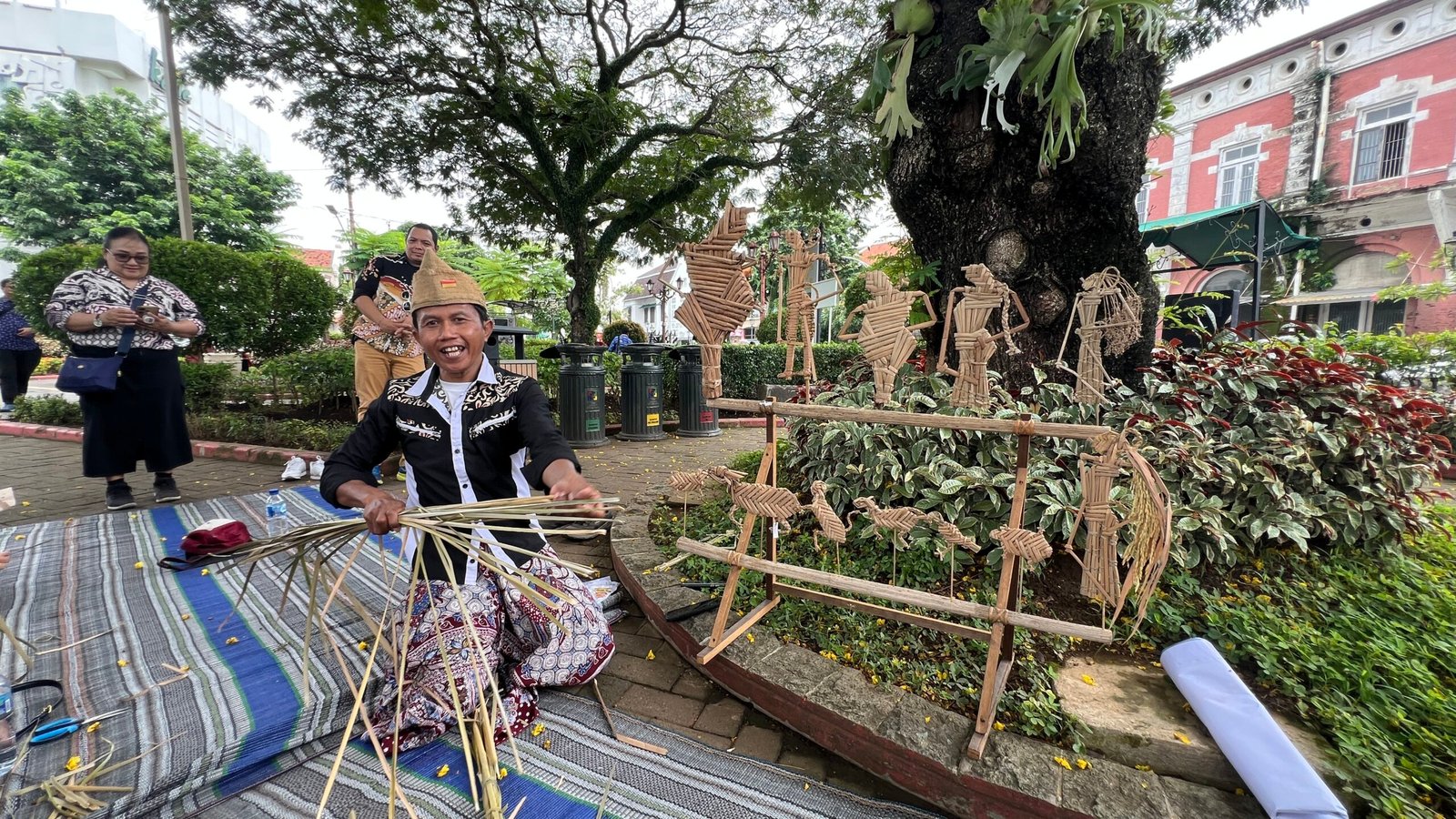
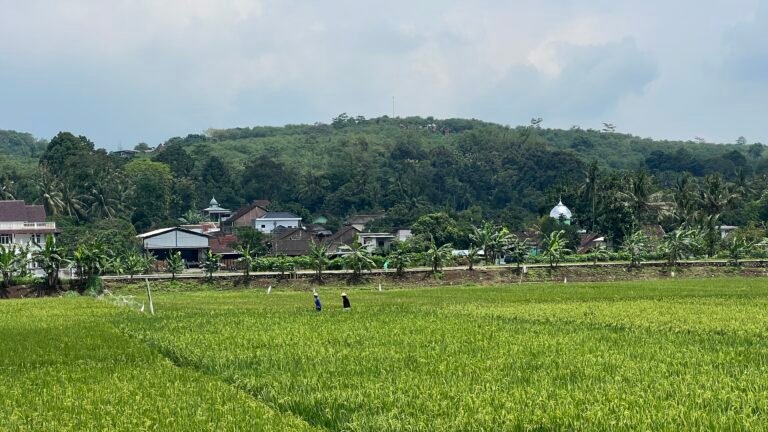
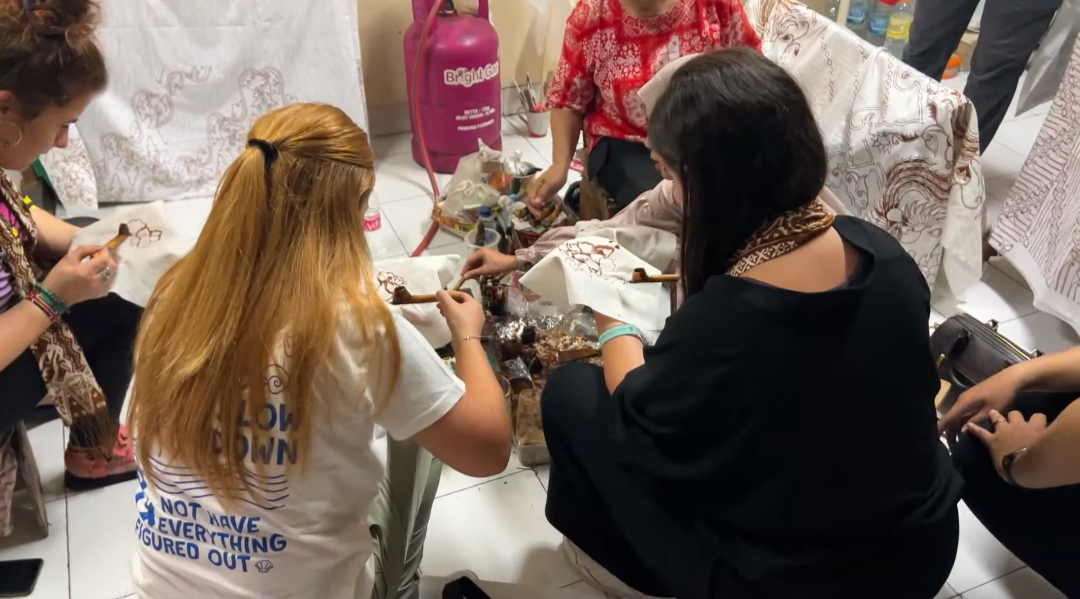
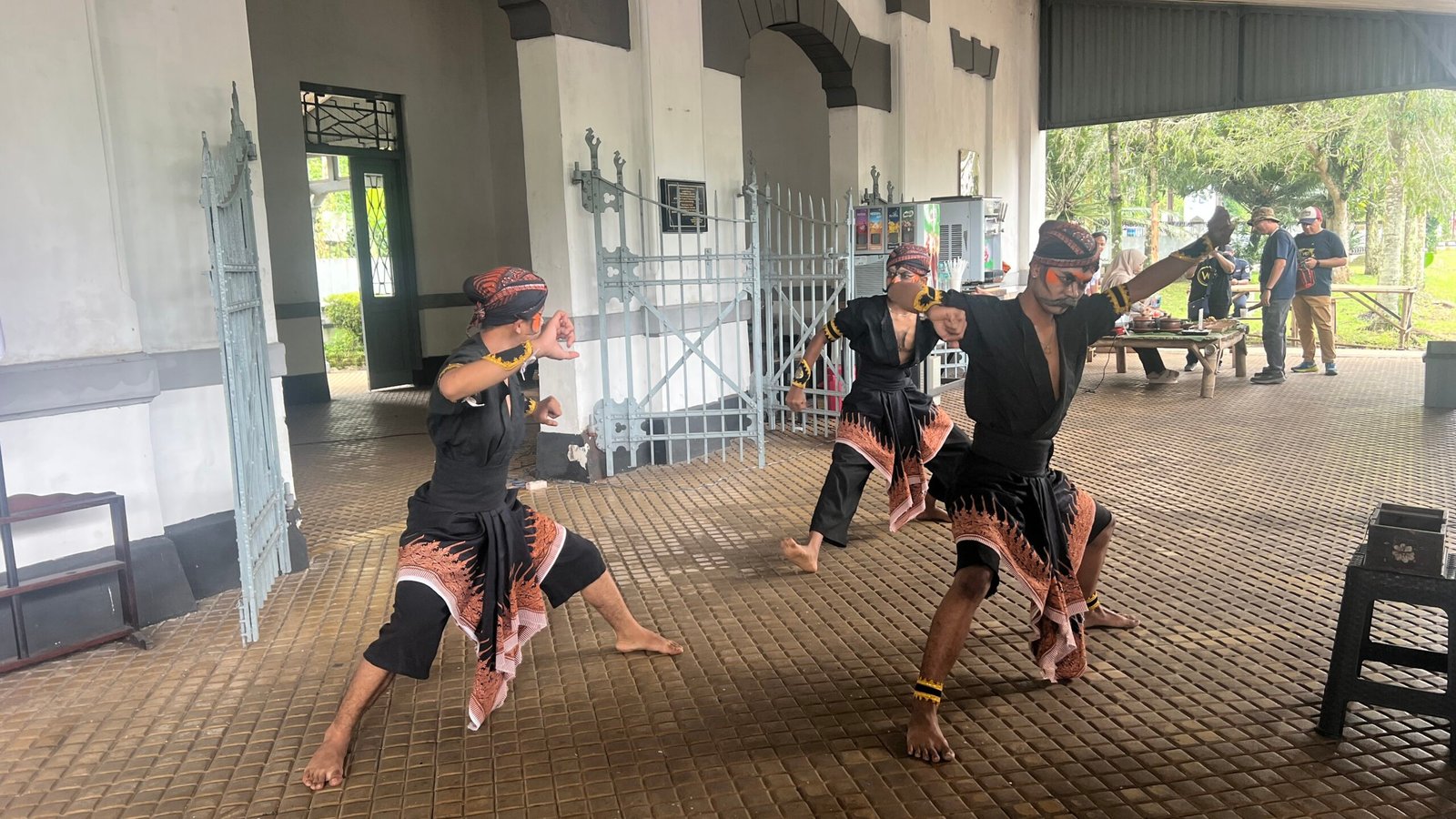
Java was where the government’s regenerative vision came to life most tangibly for us. Deep cultural immersion, local guides sharing their own histories, food prepared by community members, and landscapes that make preservation feel urgent rather than abstract.
Indonesia’s Tourism Villages initiative has already seen two villages named to the UN’s Best Tourism Villages list and earned 15 awards at the ASEAN Tourism Awards – a community-based model ensuring tourism growth reaches rural areas, not just major hotspots.
This is the Indonesia most travelers have not seen yet. And it is the one we are taking people to.
Experience It With Us
Our Indonesia Experience: Java Island trip runs September 5–13, 2026. Locally led, culturally immersive, and built around the regenerative principles Indonesia is now championing at a national level. If you have been waiting for the right way to experience this country, this is it.