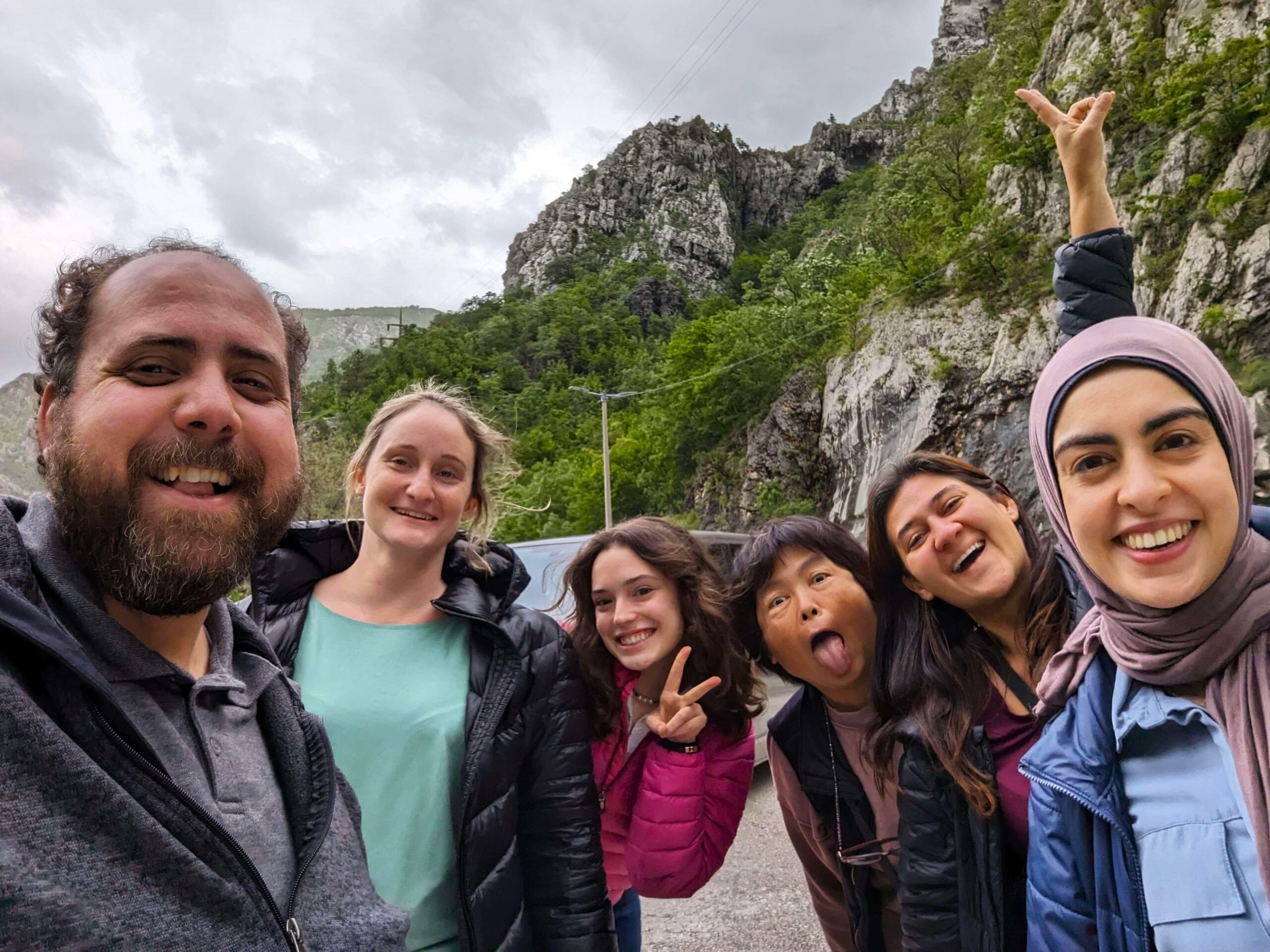

Sustainable travel goes far beyond reusable bottles. Here’s what sustainable and ethical travel actually look like in practice and how we apply it at The Hybrid Tours.
“Besides Not Littering… What Else Are We Doing?”
A follower recently asked us this question, and it resonated deeply. The tourism industry has become saturated with greenwashing, and increasingly, ethical-washing. Everyone claims to be “sustainable,” “responsible,” or “community-focused,” yet very few can clearly explain what that means in practice.
This question gets to the heart of the issue: sustainability is not a checklist. It’s a structure.
Why Sustainability in Tourism Is So Often Misunderstood
Much of what is marketed as sustainable travel focuses on individual behaviour: reusable bottles, towel reuse, carbon offsets… while ignoring the systems that actually shape impact.
Ethical travel is not about optics. It is about:
- How decisions are made
- Who benefits economically
- Who controls the narrative
Without addressing these, sustainability becomes a slogan rather than a practice.
What Ethical and Sustainable Tourism Means to Us
At The Hybrid Tours, sustainability is embedded into how our trips are designed and delivered.
1. Community-Led Partnerships, Not Extractive Experiences
We work directly with community-led and refugee-led partners, ensuring that locals set the agenda, lead the conversations, and decide what stories are shared. We do not arrive with pre-written narratives or curated “experiences” designed for consumption.
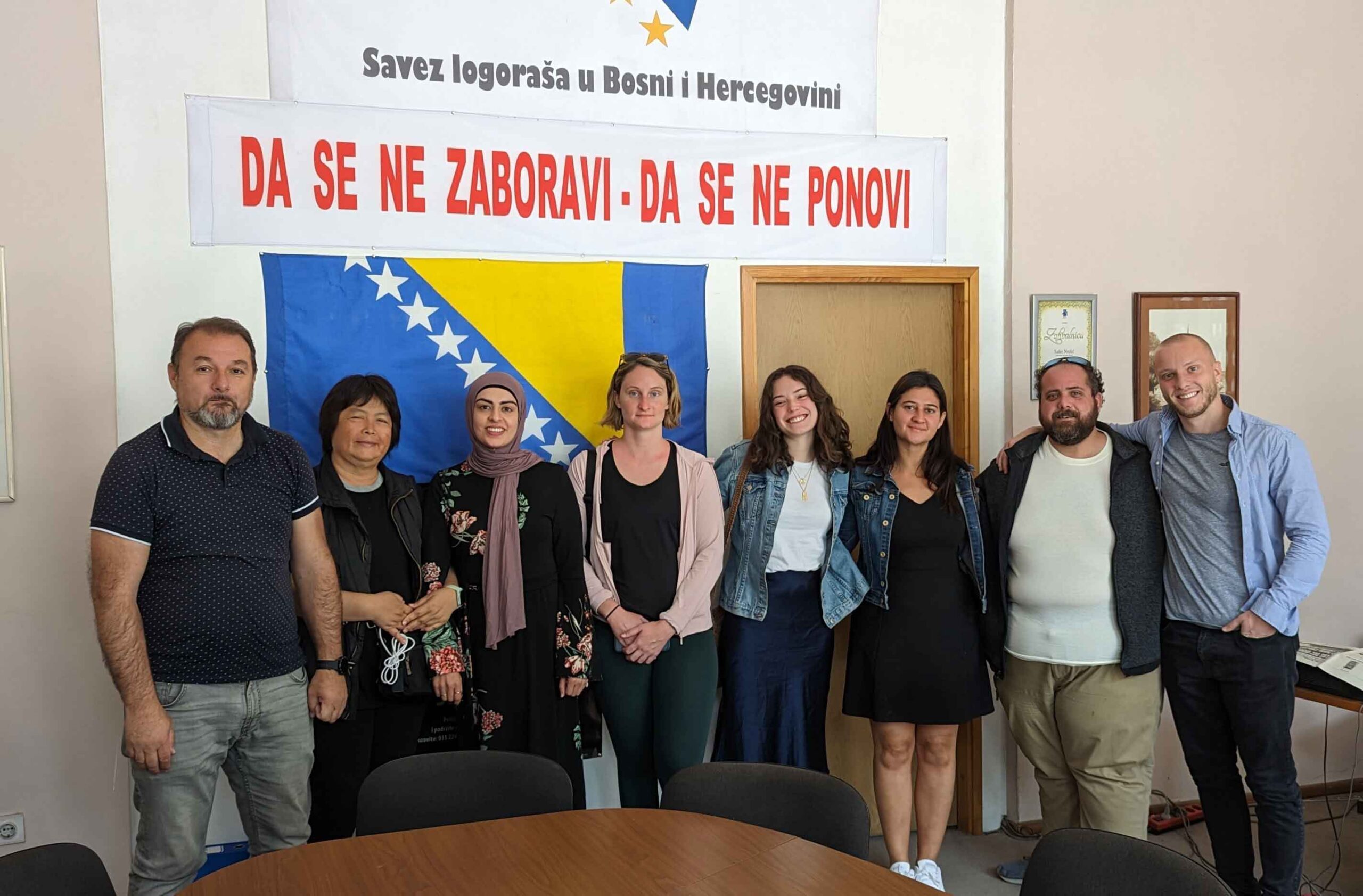
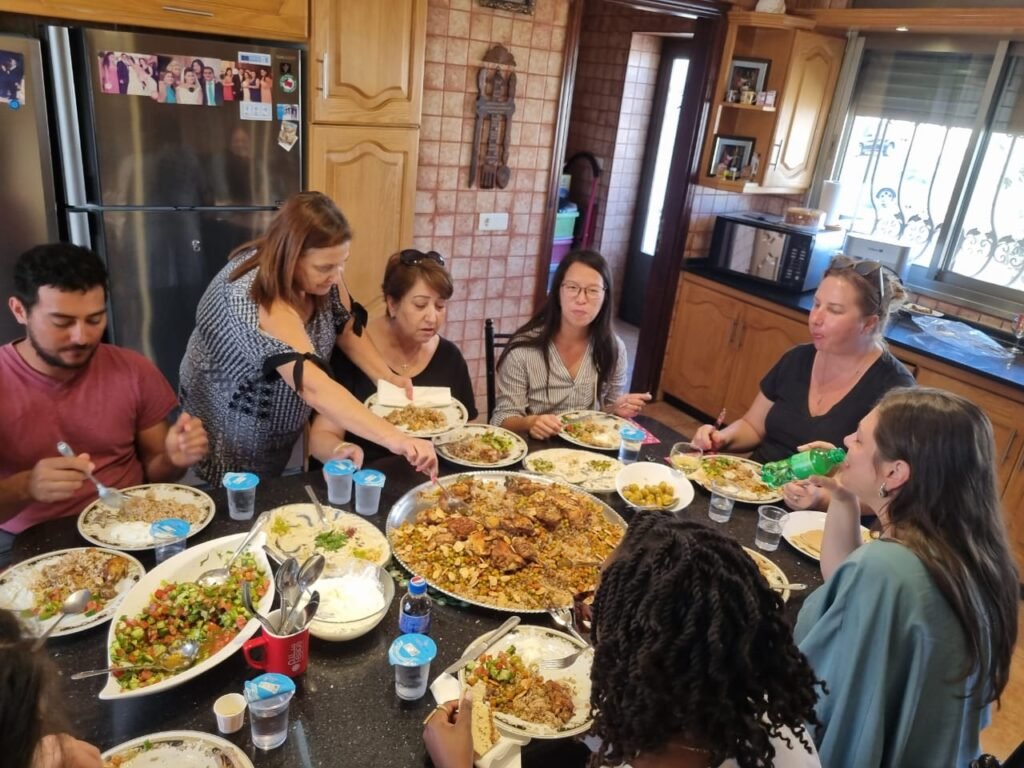
Some examples of this include meeting with genocide and concentration camp survivors in Bosnia & Herzegovina, homemade meals with a Christian family in Jordan and engaging with academics in Armenia to learn more about what’s happening on the ground. We do not dictate what those who we work with share.
2. Economic Benefit That Stays Local
Our model prioritizes locally owned accommodation, guides, transport providers, and social enterprises. This ensures that tourism revenue remains within the community rather than flowing out through international operators.
3. Challenging Stereotypes Instead of Selling Them
Many tourism experiences unintentionally reinforce harmful stereotypes by simplifying complex histories. Our trips are designed to challenge assumptions, provide historical and political context, and encourage critical engagement rather than passive observation.
4. Transparency Over Performative Impact
We are careful not to overstate our impact. Ethical tourism requires honesty: about limitations, trade-offs, and the realities of operating in complex contexts.
Sustainability Is a Structure, Not a Marketing Claim
These principles are not marketing languages. They are operational choices shaped by our backgrounds in humanitarian work and our permanent partnership with Our World Too, a narrative platform dedicated to rehumanizing stories of displacement.
Sustainable travel goes far beyond not littering. It is about building systems that prioritise dignity, agency, and long-term local benefit.
You can learn more about our approach to responsible travel here.
The Question Every Traveller Should Ask
The future of tourism is already shifting toward deeper, more intentional experiences. The real question is not whether companies use the right language but whether their actions reflect it.
As travellers, who are we choosing to support?
FAQs About Bosnian Food
Is Bosnian food spicy?
Generally no — Bosnian cuisine emphasizes fresh, natural flavors.
Are vegetarian options available?
Yes! Cheese Burek, Japrak, and many desserts are vegetarian-friendly.
How expensive is Bosnian food?
Most meals cost $10–$15 at local eateries, making it very affordable.
Where should I start tasting Bosnian food?
Sarajevo is the best place, followed by Mostar, small villages, and markets for authentic flavors.