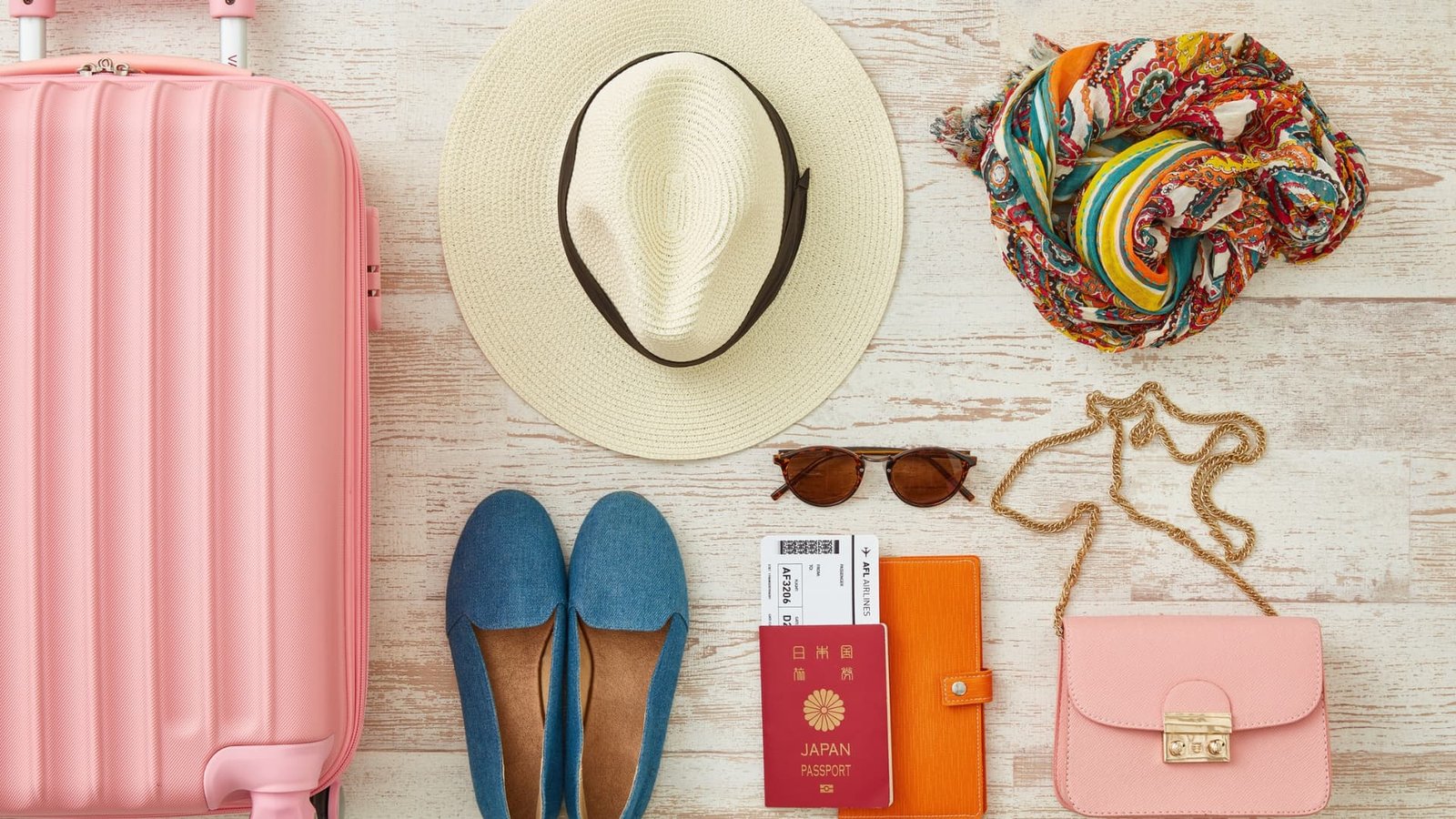
We’re getting ready to head to Kosovo with The Hybrid Tours, and it’s time to think about what’s going in your suitcase. Expect cobblestone old towns, mountain views, and because of climate change, please do keep in mind to also expect more unpredictable weather. Here is what we recommend to bring:
Clothing Essentials
Kosovo in late summer/fall and spring usually consist of sunny days. Days are mild, mornings and evenings are cool, and rain shows up sometimes. Layers are the way to go.
For Mild Days
Comfortable layers: Think a T-shirt or light top with a cardigan, flannel, or light sweater on top. September days sit around 20-25°C (68-77°F); spring days run cooler, closer to 15-20°C (59-68°F) depending on the month.
Comfy walking shoes: Old towns like Prizren and Gjakova are all cobblestone, and we’ll be doing a fair amount of walking. Bring shoes with real grip and a sole you’ve already broken in.
A pair of trousers or jeans: Shorts work fine in the cities during September. We’ll be letting you know the day before if we’re visiting a religious site or if you need to cover up more.
For Cool Mornings and Evenings
A proper jacket: Not just a light layer: mornings can even dip to 10-12°C (50-54°F), even in September, and spring mornings can be colder still. Like we stated before, layers are the way to go. Keep a jacket on, and remove the layers as the day gets warmer.
For Rainy Days
A compact umbrella, and shoes that won’t get soaked.
For Visiting Religious and Cultural Sites
Kosovo is religiously mixed: mosques, Serbian Orthodox monasteries, and Catholic churches are all part of the trip. Some of these sites (particularly the monasteries) expect modest dress.
A modest outfit: Shoulders and knees covered. Nothing fancy, just something you can throw on for the day we’re visiting religious or cultural sites. A shawl: Handy for women who may want or need to cover their head at specific sites: good to keep in your daypack regardless. This is something we recommend in most of our trips. Easy for you to cover your head or shoulders in.
Comfort and Convenience
Daypack: For carrying water, snacks, and layers you’ll be adding and removing throughout the day.
Reusable water bottle: Tap water is generally fine in Kosovo’s cities, but we’ll let you know day-to-day and bottled water is easy to find either way.
Sunscreen: Skies are clear more often than not, even in cooler months, don’t skip this just because it’s not sweltering.
Hand sanitizer and tissues: Handy for older public restrooms outside the main cities.
Portable charger: Useful for long driving days between towns.
Tech and Connectivity
Chargers and Adapters
Plug adapter: Kosovo uses Type C and F plugs (same as most of continental Europe) at 230V. If you already have a standard EU adapter, it’ll work here — US and UK travelers will need one. Portable charger: A power bank makes long driving days and full sightseeing days easier.
Staying Connected
Kosovo is not in the EU, so EU roaming agreements don’t apply here even if you’re traveling from within Europe: check with your carrier before you land to avoid surprise charges.
Local SIM card: We suggest getting one at the airport. Otherwise it’s time consuming and usually takes at least an hour. We personally recommend getting an e-SIM: Airalo and similar services cover Kosovo, make sure to download it before you arrive and you’re connected the moment you land.Since you’re only in the country for a couple of days this should be enough. WiFi: Available in all of the hotels we’ll be staying in.
Money Matters
Currency: Kosovo uses the Euro, despite not being part of the EU or the eurozone officially. If you’re coming from a eurozone country, no exchange is needed.
Cards and cash: Cards are accepted in hotels and larger restaurants in the cities, but cash is what you’ll need in smaller towns, markets, and rural areas. ATMs are widely available in Pristina, Prizren, and other major towns. We recommend getting Monzo, Revolut, Wise or Schwab depending on your country of origin for the best ATM withdrawal rates.
How much to bring: in this Kosovo tour, everything except for dinners is included, and this is to give you free time and flexibility in the evenings. From the moment you land, the pickup is included and you won’t have any additional expenses. The only optional activity is a visit to caves. For your personal expenses and dinners, we suggest bringing at least 120 Euros.
Tipping: All of the people we work with are paid fairly and well. Tipping is completely optional during our tours, but appreciated by anyone working in the hospitality industry, given that it’s seasonal work. We suggest tipping the equivalent of 10 Euros per day for your guide, and 5 Euros per day for your driver.
Donations: As with all our tours, contributions to the organizations we visit are built into the trip already. Additional donations are always welcome but never expected.
Final Tips
Shopping: Prizren’s old bazaar, Gjakova and Pristina both have good options for local crafts and goods: we’ll point you toward the spots that support local makers and communities directly.
Visa: Kosovo is visa free for dozens of nationalities. If you need a visa, we’ll be contacting you directly.
Insurance: Mandatory for the duration of any Hybrid Tour, as always.
Pack for layers, a compact umbrella, a shawl and bring shoes that can handle cobblestones. We’ll see you in Kosovo soon! And don’t forget to check out our optional reading list to learn more about the country before your arrival!