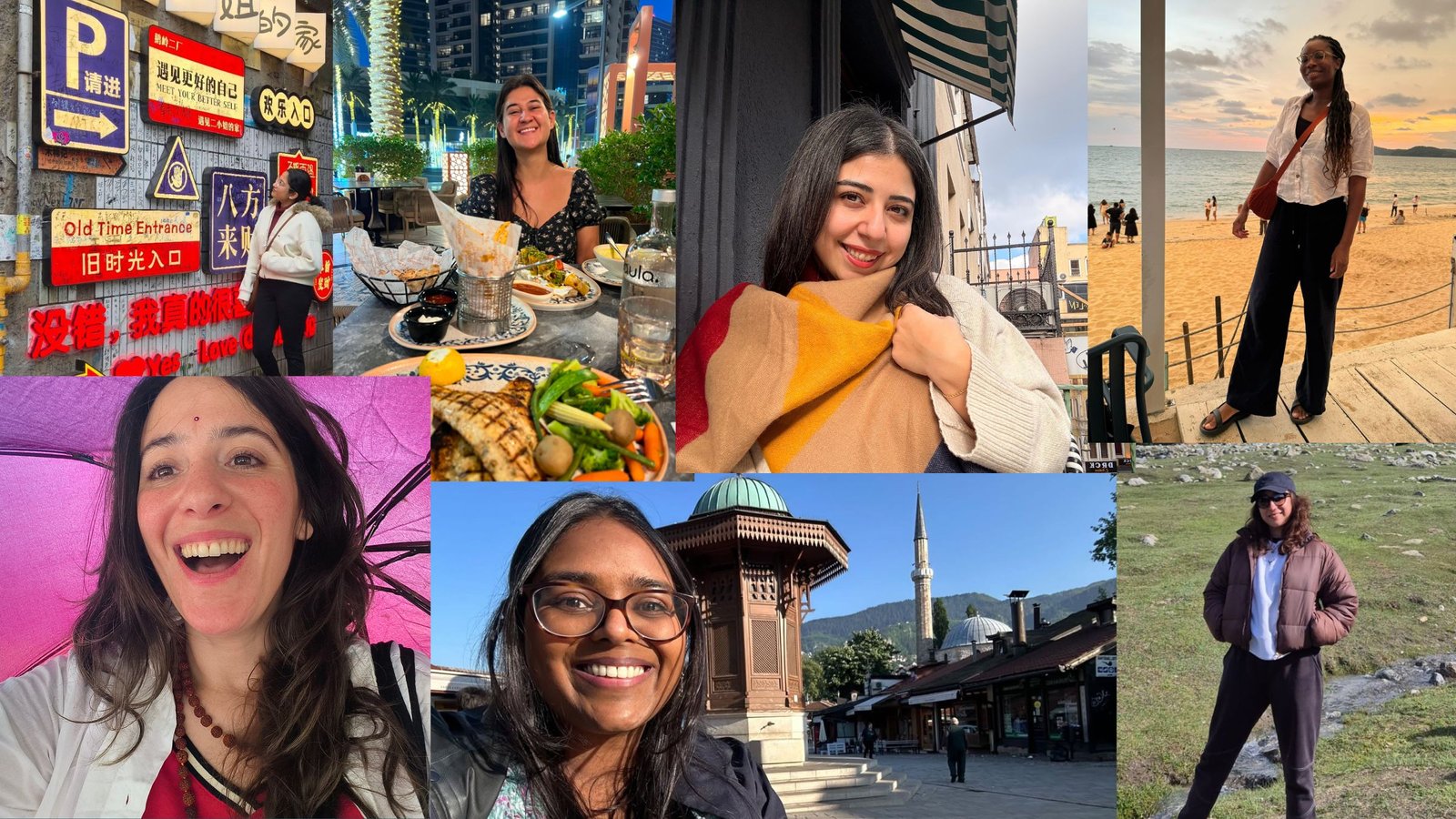
Travel is a privilege that shows up differently depending on your race, nationality, and even your gender. We asked women from the Global South what barriers they face when they travel.
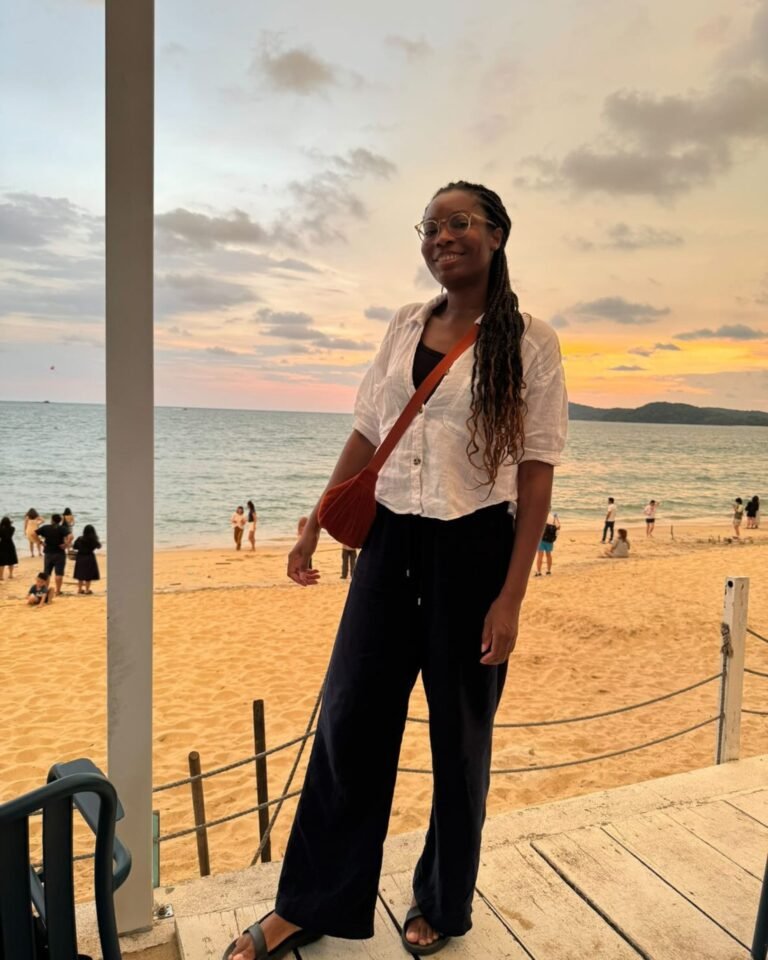
Saadiya (Nigeria/British)
As a black woman, I’ve definitely faced both racist and misogynistic microaggressions while traveling. It usually manifests as people staring, laughing and pointing at me, or receiving rude treatment, only for the person behind me to receive good customer service. There have also been instances of having my hair touched without my permission or being asked inappropriate questions about my body under the guise of ‘curiosity’ or cultural differences.
On the flip side I also recognise that I’ve benefited from accent privilege which makes me wonder how other people from the Global South who perhaps don’t have a British accent may be treated.
Zainab (Lebanese)
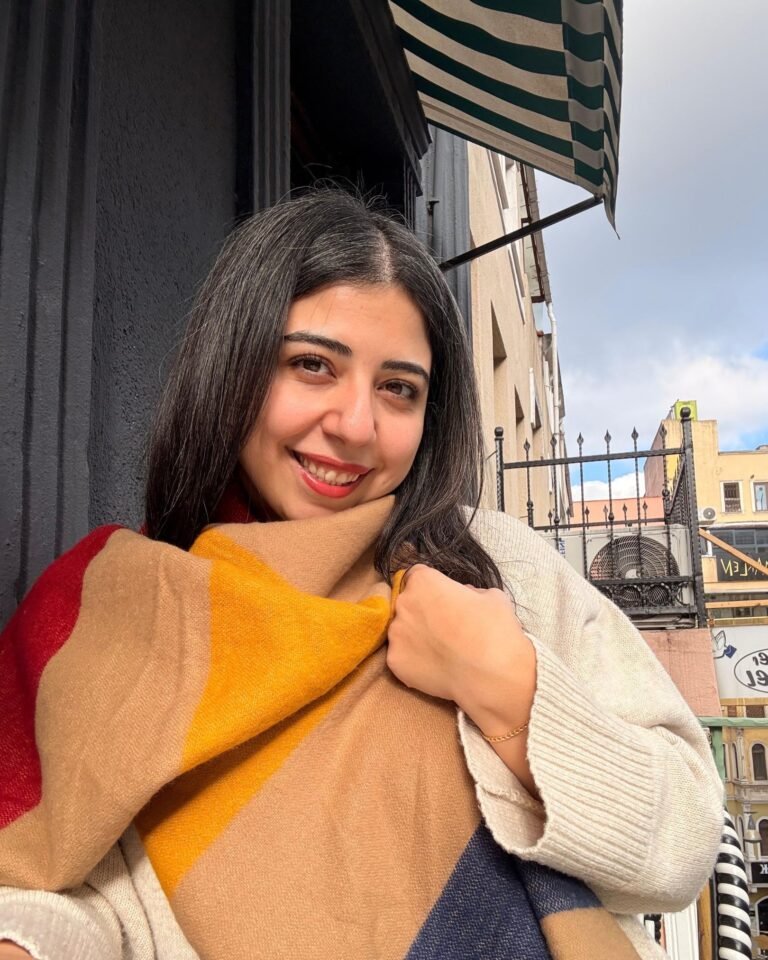
It’s funny that this question about the barriers women from the Global South face when traveling comes from you a day after my Schengen visa application appointment. If I had to sum it up, because of my passport, there is no space for spontaneous travel. Once you arrive at your destination and stand in front of passport control, you have to be ready to list a full itinerary: where you’re going, what you plan to visit, and why. Sometimes, I’ve even had to show the cash I’m carrying and my credit cards, just to prove that I can afford the trip.
What makes this more frustrating is that all of this evidence is prepared months in advance and submitted to the visa application center, yet you still have to be ready to show it again. This is how I’ve come to see it: traveling from the Global South cannot be spontaneous or creative. For many of us, it never has been. It has to be planned far in advance. Resources are spent either way, whether you get the visa or not, and that in itself is sad.
Having friends all over the world, I constantly have to explain how complicated it is for me to plan a trip with them. It’s not about packing a suitcase and jumping on the earliest flight. It’s about preparing dozens of documents. Booking visa appointments months ahead. Reserving everything, including train tickets. Planning a detailed itinerary. And then waiting. A lot of waiting. Waiting to see whether you’ll get your pass or not.
There’s no space for being creative or impulsive. You miss out on a lot of fun because of this, and you carry a lot of stress, while everyone else is waiting for your answer. It’s a draining process, one we still have to go through, and one that quietly reminds us who the world is built for, and who gets to move freely within it.
Cynthia (Sri Lanka/France)
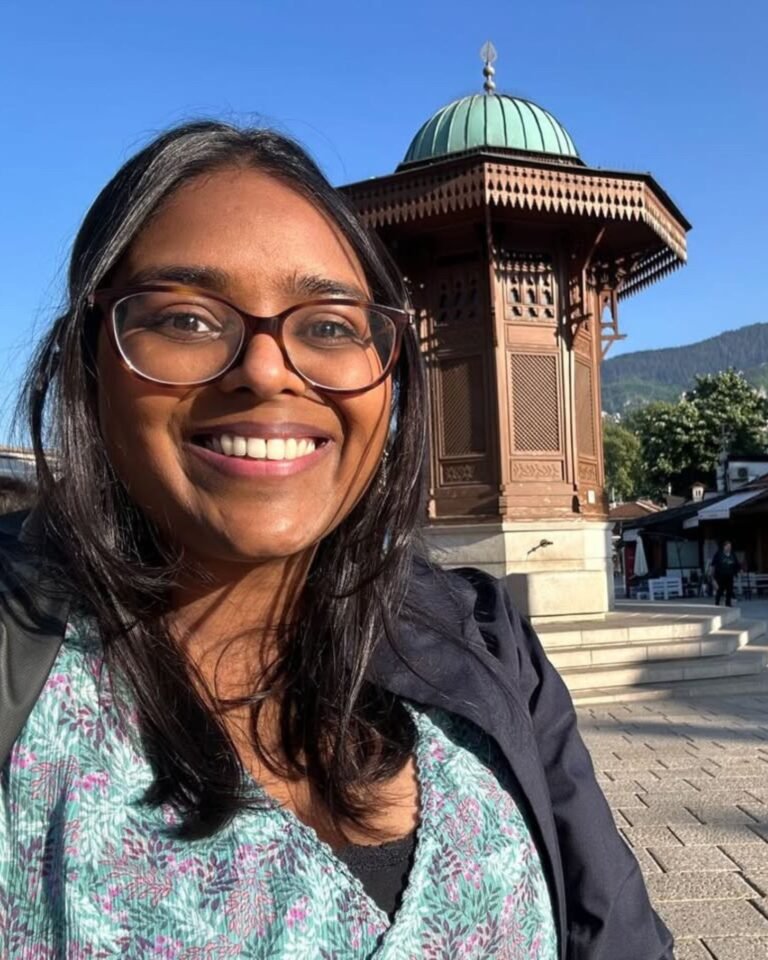
I hold a strong Western passport, but I’m a brown Tamil woman. That simple reality still seems to confuse people. At immigration, I’ve sometimes been held longer and asked additional questions, as if they can’t reconcile my face with a “powerful” document/living in the west. Then, when I travel in the global south, I feel the shift in how people treat me the moment they learn my nationality. It’s the same bias, just showing up in different forms: as racism in one place, and colourism in another. My passport questions my identity abroad, and then tries to erase it elsewhere. But my Tamil heritage comes first. I’m proud of it, and no document can ever change that.
Lorena (Argentinian/Italian)
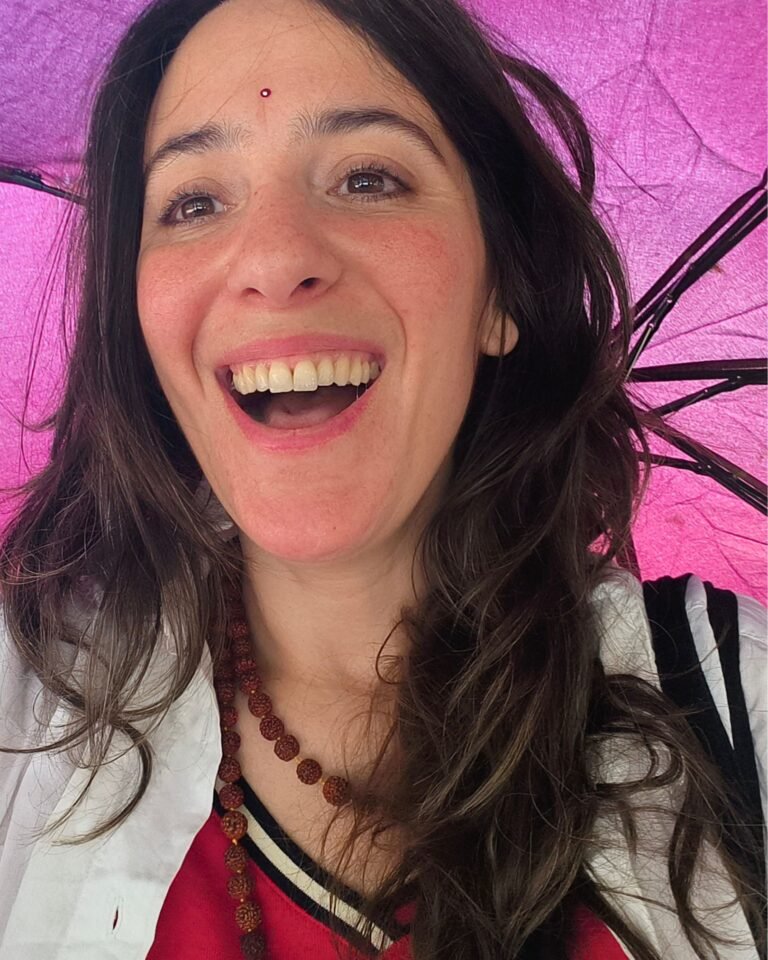
I got my 2nd passport as an adult, and I’ve experienced firsthand how a passport can change the way people treat you. When people know I’m Latina, they often associate me with negative stereotypes like being late or having a strong temper. When I’m seen as European, those stereotypes shift to intelligence and grace.
Azal (Pakistani)
As a woman in Pakistan, travel is not limited by finances alone. For many of us, the greater barrier is psychological. A constant negotiation with fear, safety, and social expectations. I often find myself second-guessing every decision: Is it safe? Is it worth the worry it will cause at home? How will my family react, even when their concern is valid and rooted in care?
The challenge becomes threefold: financial constraints, family pressure, and internalized fear.
Even travel within our own country can feel restricted. Access to reliable transport, trustworthy networks, and safe accommodation exists, but it is layered with the persistent thought, “you never know.” Traveling in mixed groups often feels like a necessity rather than a choice. Independence is rarely straightforward.
What we see on social media, especially from foreign travelers, reflects a kind of mobility shaped by passport power and white man privilege. While I recognize that I hold certain privileges too, psychological fear still plays a significant role in shaping my decisions.
International travel brings an additional layer of complexity. It is daunting and extraordinarily expensive in Pakistan’s current economic climate. The Pakistani passport carries its own burdens, visa red tape, lengthy processes, uncertainty. Embassies are typically located in Islamabad, meaning additional travel, accommodation costs, and once again, the same psychological negotiations around safety and family concerns.
There have been many times I have wanted to join international groups, such as with The Hybrid Tours. But the financial strain, combined with passport limitations and bureaucratic hurdles, often makes the idea feel unattainable before it even begins.
Travel, for many women like me, is not simply about desire or money. It is about navigating fear, expectations, systems, and identity, all at once. I laud the women who have broken a lot of these barriers, and I, too try to break them. But it is simply not that easy.
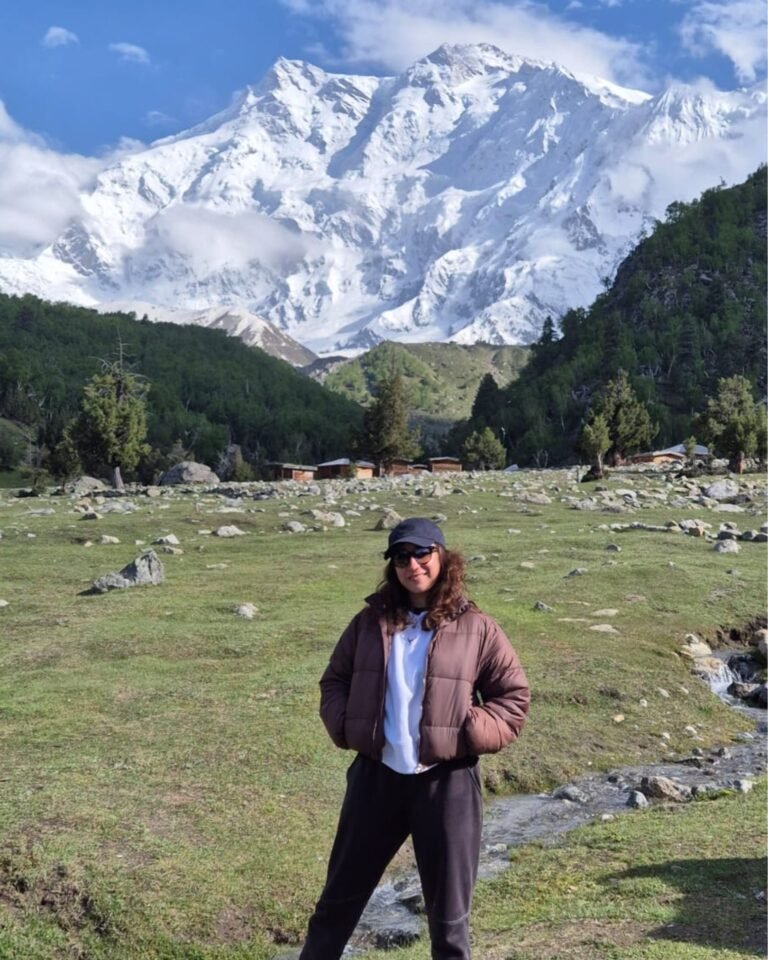
Anushki (Sri Lankan, Australian)
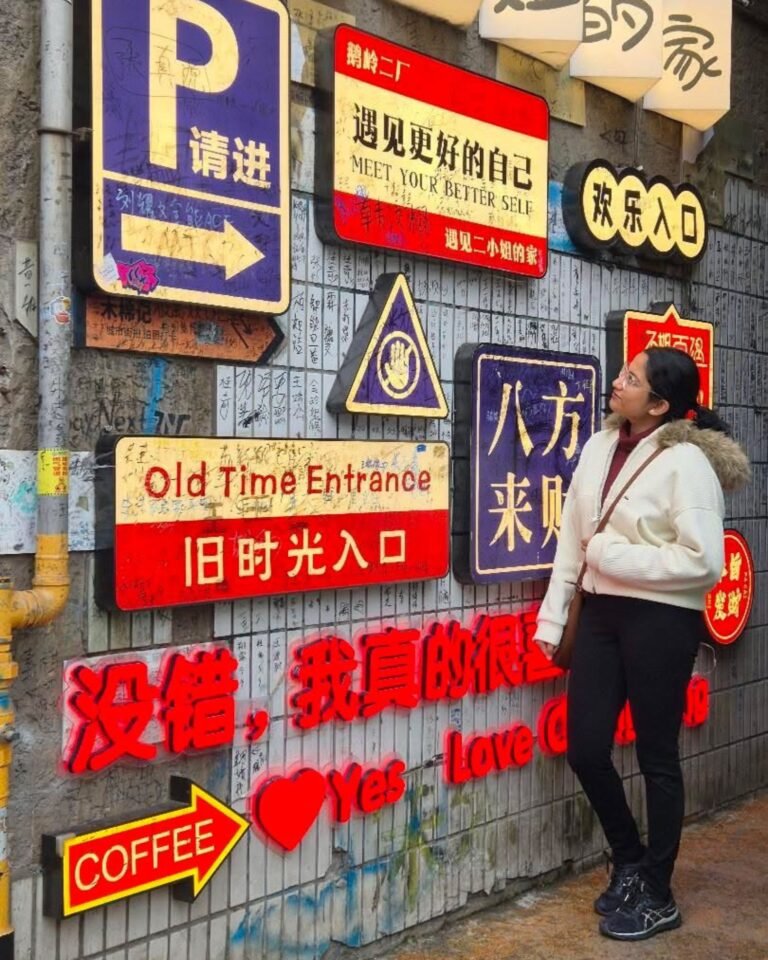
The first time I used my Australian passport to travel to a country that was not my homeland… The night before I flew out, I called my travel buddy and told her “I feel a little anxious to go through immigration in New Zealand (visa free)…I didn’t have to submit +10 documentation (bank statements, proof residency, airline tix, hotel bookings, multiple ID docs etc etc) to be allowed into the country”.
This feeling lasted for the next 2 overseas trips, and then I was ok. Passport privilege is real. It is something the majority of travellers from Western countries take for granted because they have never had to experience what other travellers have to go through before being given permission to cross borders.
Sibu (Costa Rican/Polish)
I have passport privilege, but that doesn’t go hand in hand with white privilege. I have been detained multiple times throughout my life because my face and the way I look does not match my passports. This means I am accused of either having a fake or stolen passport. I’m also sometimes questioned about how I fund my travels, with questions that heavily imply something sexual or illegal. It’s degrading and honestly humiliating. If I looked more white passing, would I have to go through any of these struggles?