Traveling in Muslim-majority countries is often viewed through fear and misinformation rather than lived experience. Many common concerns around safety, women’s rights, or religious control are shaped more by media and political narratives than by reality on the ground. The result is a distorted picture of places that are far more diverse and complex than they are portrayed.
Understanding these misconceptions is essential for anyone interested in traveling more responsibly. This is Sibu, I’m the co-founder of The Hybrid Tours and I’ve visited over 100 countries, including a few dozen Muslim countries, mostly as a solo female traveler. I also happen to be Atheist. Let me tell you about traveling in these countries from my perspective.
Are Muslim countries unsafe for travelers?
One of the most common assumptions is that Muslim countries are inherently dangerous. In reality, safety varies widely, just as it does anywhere else, and many Muslim-majority countries have lower violent crime rates than popular Western destinations.
Hospitality toward strangers I feel is deeply embedded in Islam, and tourists are often treated with care rather than suspicion. Everywhere I go, I will be looked after. Risk is far more closely linked to political context and inequality than to religion itself. It’s also important to highlight that experiences vary by gender and ethnicity. My experiences as a solo female traveler will be different to those women who live in the country I’m visiting.
There are over 50 Muslim-majority countries in the world. Regarding all of them as being exactly the same is irresponsible. You wouldn’t regard all countries in the European Union as being the same, why would you with Muslim-majority countries spread across multiple continents? From my own verdict and experience, I often feel much safer traveling in these than I do in more popular Western destinations.
Is it difficult for women to travel in Muslim countries?
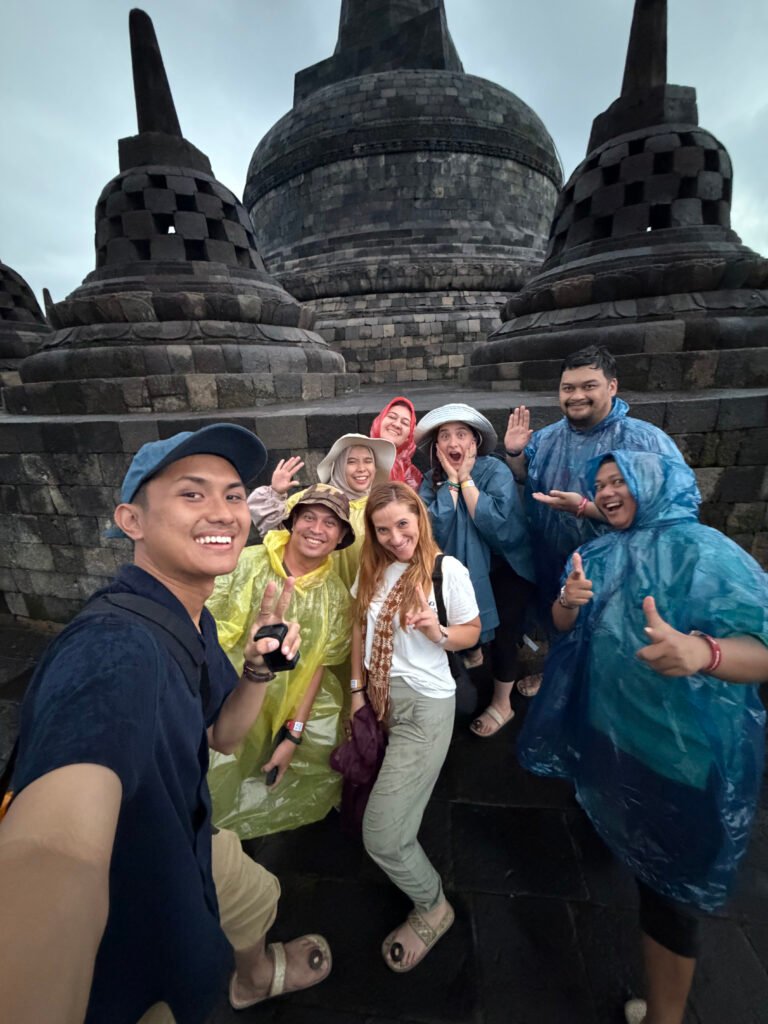
Another widespread belief is that Muslim countries are restrictive for women. This ignores the diversity of women’s lives and experiences across regions, cities, and social classes.
For women who travel, the primary adjustment is usually awareness of local norms, particularly around dress and public behavior. These norms are often practical and can actually contribute to a greater sense of safety. Thinking that cultural difference and dressing conservatively is a synonym of oppression is very far from the reality here.
You are not able to step foot in a Thai temple without covering up, and even in Croatia and Italy, I’ve had to cover up as a sign of respect before entering certain areas. I find it interesting how the double standards work for Muslim-majority
Does religion dominate everyday life?
Islam is an important framework in many societies, but that does not mean daily life is governed by constant religious enforcement. In practice, Muslim countries range from highly secular environments to more conservative ones, often within the same country.
Travelers are frequently surprised by how casually religion exists in daily interactions. Hearing the call to prayer does not translate into social pressure. As in many parts of the world, faith is often personal, quiet, and deeply contextual.
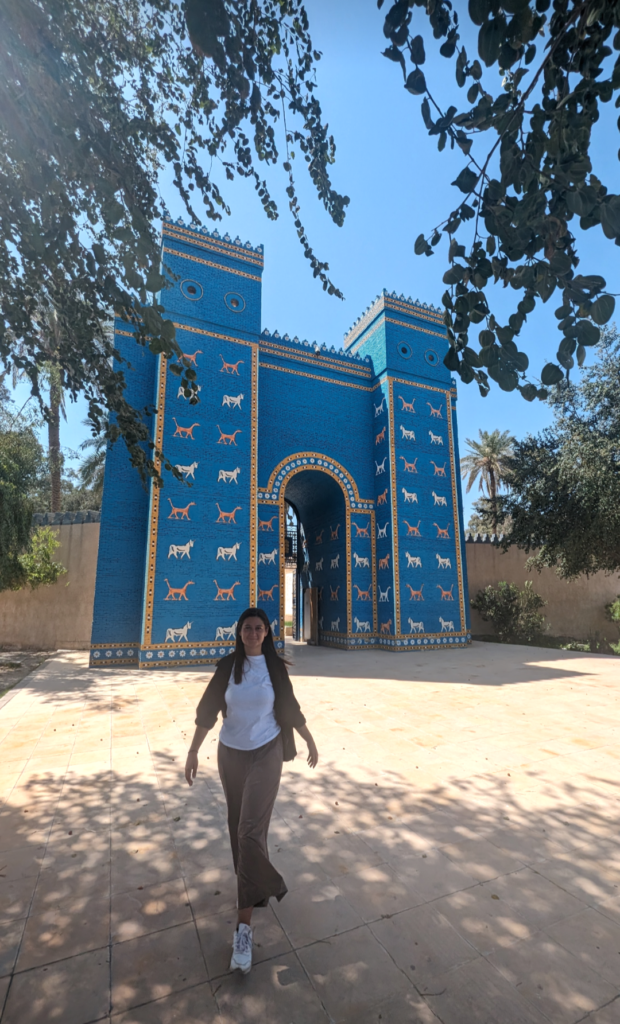
Are tourists expected to follow religious rules?
Visitors are not expected to practice Islam or understand it fully. What is expected is basic respect: modesty in certain spaces, sensitivity during religious periods, and openness to learning.
These are not restrictions but forms of cultural literacy. I do recommend, however, avoiding visible displays of religious affiliation, out of respect and to blend in more comfortably. In general, it’s also best to avoid initiating conversations about religion unless you’re in a private setting. It’s important to not disrespect Islam or question it in a way that lacks respect and nuance. I’m sure you know by now that this applies everywhere in the world. Just like Mark Twain said: “Never discuss politics or religion in polite company”.
Why these misconceptions persist
Many of these assumptions exist because Muslim countries are often discussed without Muslim voices. Media coverage tends to focus on conflict and extremism, leaving everyday life invisible.
When entire regions are framed through fear rather than context, misunderstanding becomes the default. Growing up in the West, I experienced this firsthand. It wasn’t until I started spending time in Muslim-majority countries that I realized how flawed my view of the world was.
My perception of Muslims was always that of “the dangerous other”. Even films portray Muslim-majority countries differently. There are a number of reasons why this is done, but the main one is to ensure that we feel there’s a constant “enemy” to defend ourselves against, which leads to more military spending.
It is also worth remembering the sheer scale of what we are talking about. Over a quarter of the world’s population is Muslim, and that number continues to grow. Islam is not a distant or foreign reality; it is woven into the fabric of life across dozens of countries on multiple continents. Indonesia, the fourth most populous country in the world and one of the most visited destinations in Southeast Asia, is a Muslim-majority nation. Many travelers who have already fallen in love with it may not even realise this. The unfamiliarity is not with the places themselves, it is with the label.
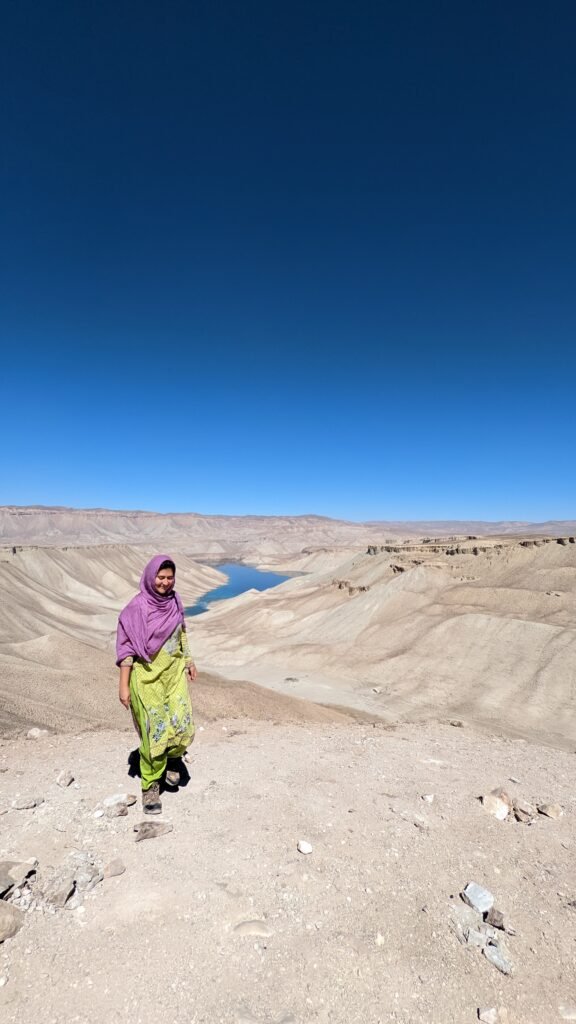
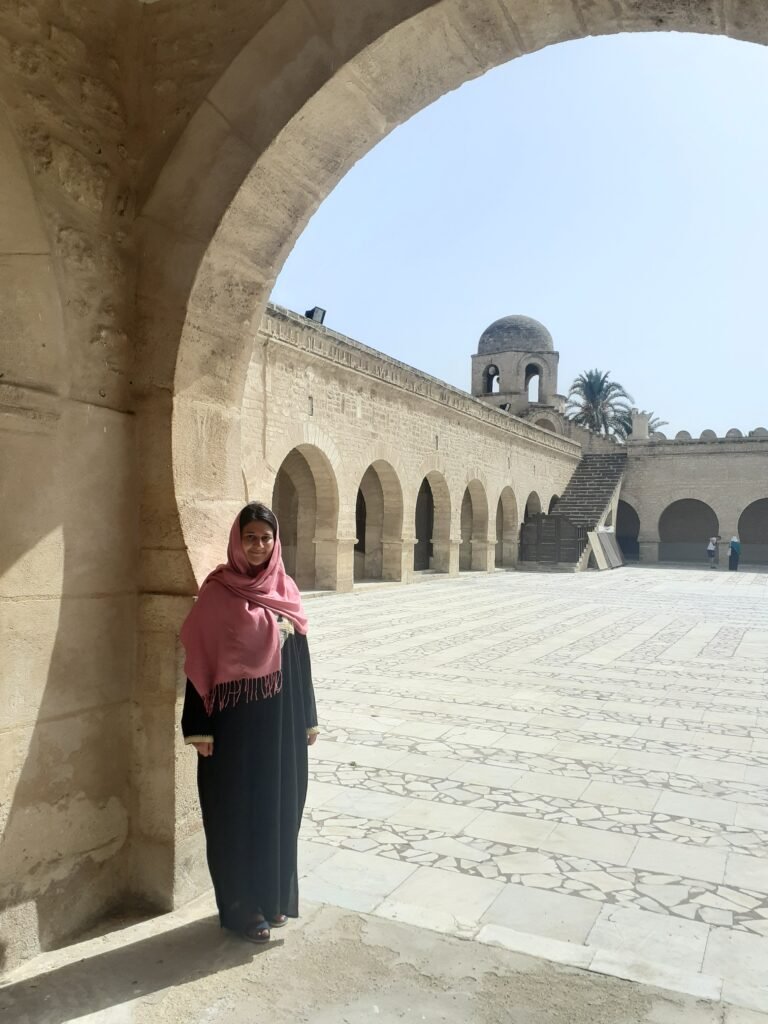
Awareness Is Part of Travel
Sexual harassment is not unique to Muslim-majority countries; it is a global issue that requires awareness wherever you travel. This is the main concern people have voiced while traveling in these. I cannot speak on behalf of all women, I can only talk about my own personal experiences.
A respectful approach to travel includes recognizing risks without sensationalizing them. Some destinations, regardless of religion or region – require a level of travel experience, cultural awareness, and self-reliance that may not be ideal for beginners. Ethical travel is not only about open-mindedness; it is also about honest preparedness.
From my own personal experience, I have never faced any dangers or inappropriate behaviors in my years of traveling in Muslim-majority countries. If anything, these have happened in mainstream countries that people visit.
What You Actually Gain by Going
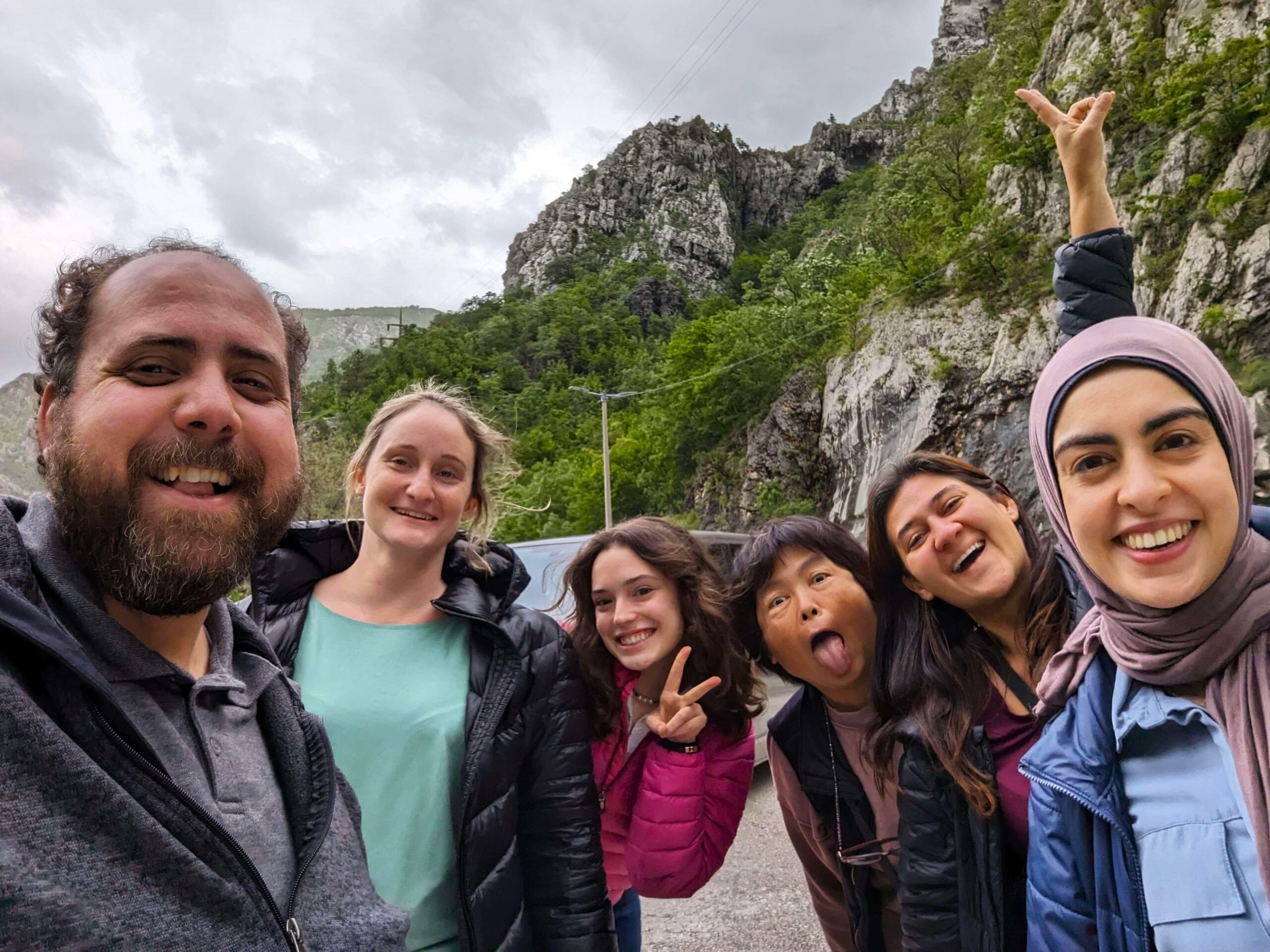
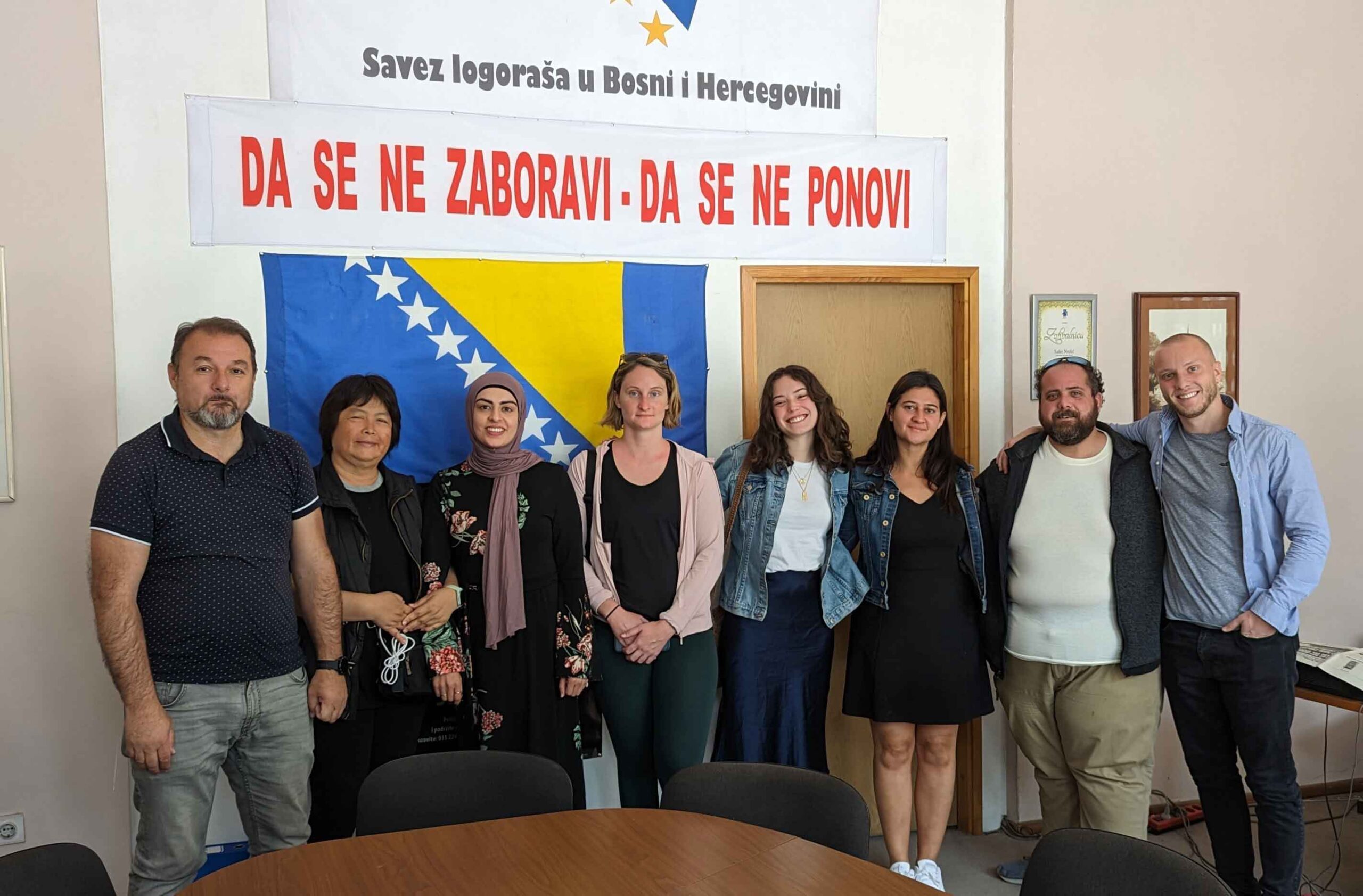
The places that the world tells you to fear are often the ones that will change you the most. The connections I have made in Muslim-majority countries: families who have invited me over for a meal, women who have shared their stories, strangers who have gone out of their way to help me – have been some of the most meaningful while traveling.
Traveling is not just about sightseeing, but for me at least, it’s about expanding your understanding of what the world actually is, versus what you have been told it is. The real question is not “ is it safe to go?” It is: what are you missing by not going?
At The Hybrid Tours, we take travelers to places that are not necessarily part of mainstream media. Real immersion, local voices, and the kind of experiences that genuinely change how you see the world. If you have been on the fence, let this be the nudge that you needed.