Jordan is often marketed as a desert destination and it’s usually highlighted by Petra and Wadi Rum. And while those destinations in the country are incredible, they represent only a narrow part of the country. Understanding Jordan properly: socially, politically, and environmentally – will significantly shape how you experience it.
1. Jordan is not just desert - it’s cold, green, and rainy too
Many travelers arrive expecting constant sunshine and heat. In reality, northern Jordan, including Amman and Irbid, can be cold, green, and rainy, particularly from November to March.
Winters often bring heavy rain and damp cold rather than dry heat. Pack layers, a warm jacket, and waterproof shoes. Some of the desert areas might even experience floods sometimes. This is important to take into account if you’re going during the low season. You can check out our Jordan packing list here.
2. Amman is built on hills... walking is harder than it looks
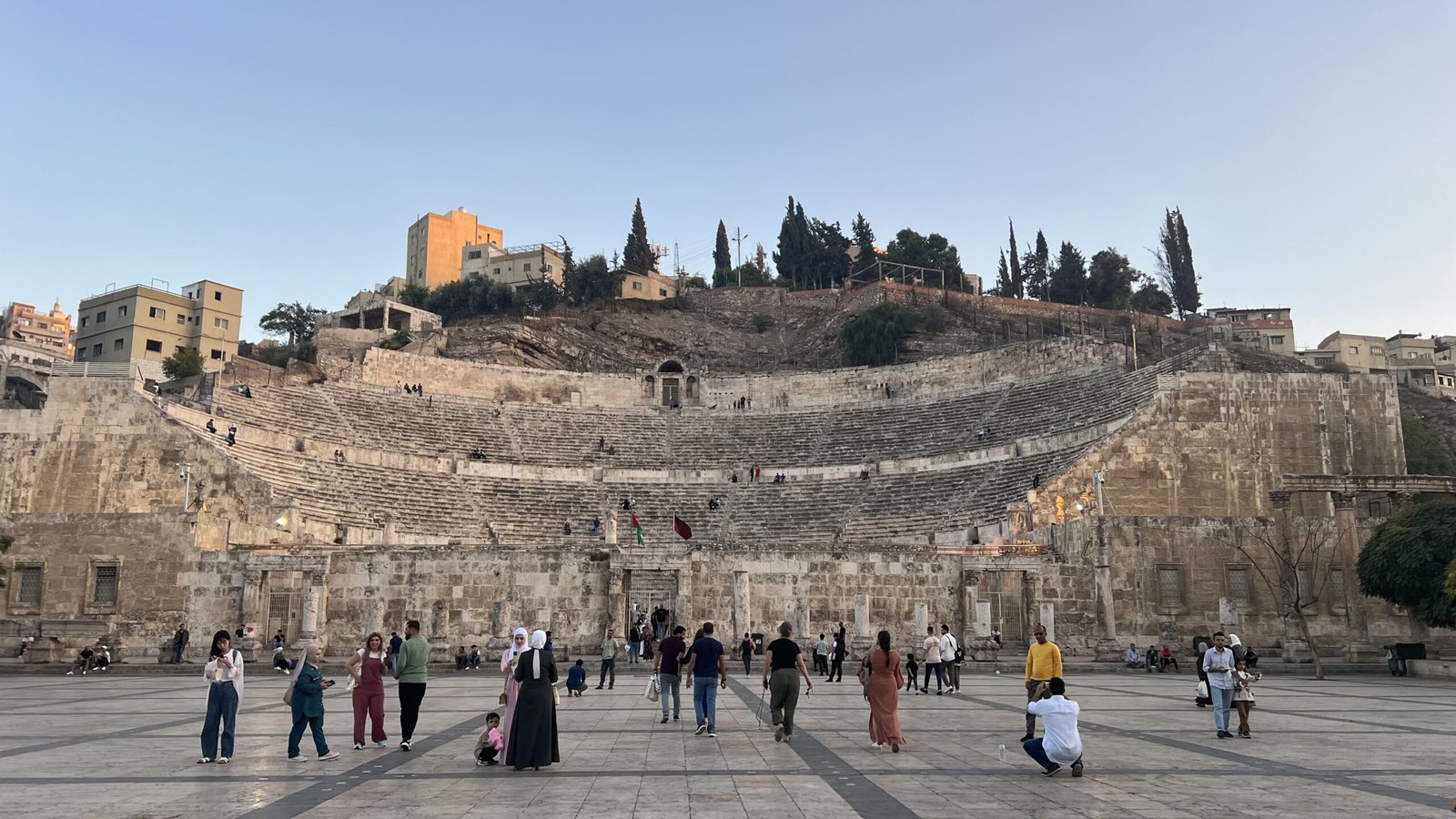
Amman, the capital, is spread across steep hills, and distances that appear short on a map can be physically demanding. Sidewalks are inconsistent, and walking often involves a bit of a sweat.
While most travelers tend to skip Amman, we recommend embracing the hills, spending a day or 2 in the city and using rideshares to move around. We personally love Careem.
3. Hospitality is real, not performative
Jordanian hospitality is one of the things that shocks visitors the most. It is deeply ingrained. Visitors are often offered tea, food, or help, and no, people don’t expect anything in return.
Accepting hospitality respectfully goes a long way. Embrace the warmth of Jordanians, and allow yourself to be surprised.
4. Modest dress is about context, not control
Dress norms in Jordan are social rather than legal. In Amman, styles are diverse; in smaller towns and religious sites, modest clothing is expected. This is not because it’s enforced, it’s simply a sign of respect towards the local communities you’re visiting.
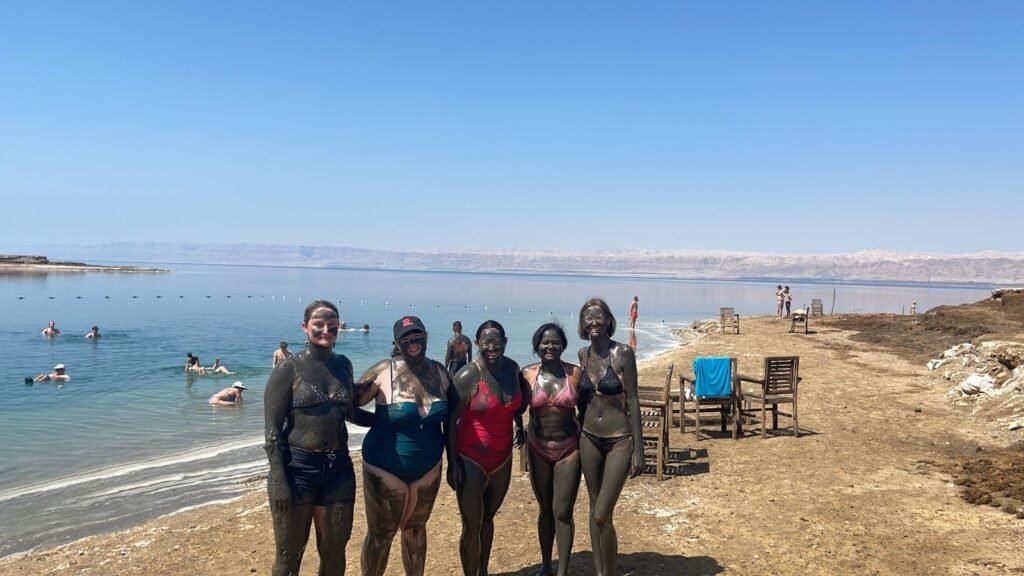
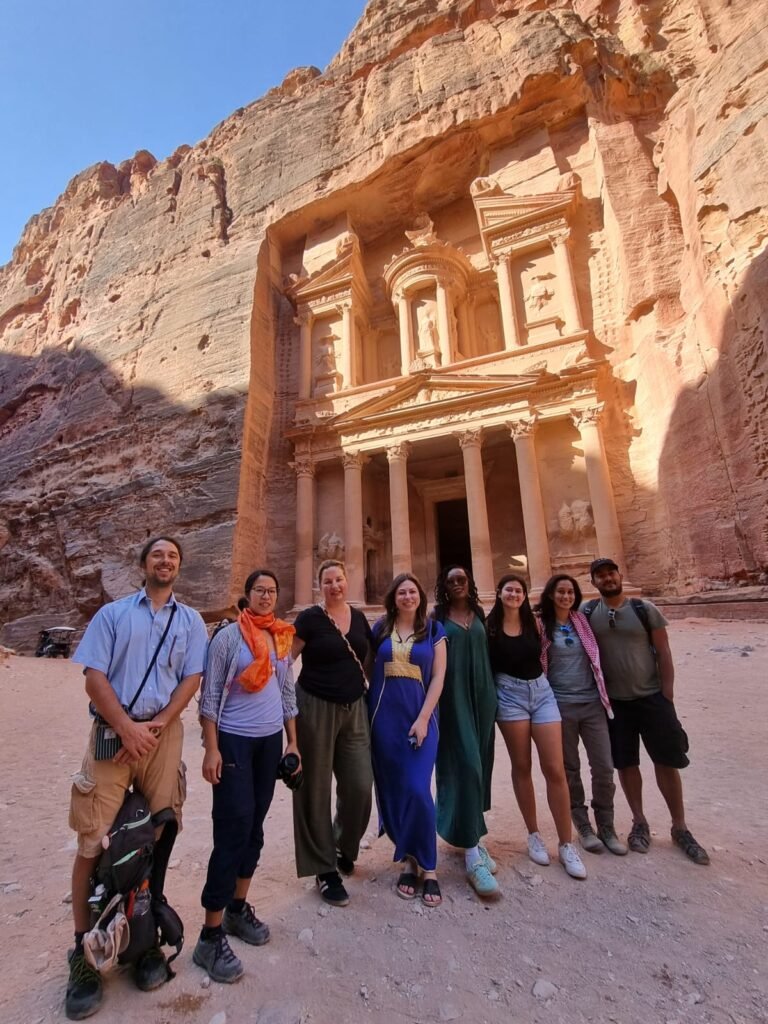
Covering shoulders and knees is a sign of awareness, not submission. In the most touristy areas (Petra, Wadi Rum and the Dead Sea), you can wear less conservative clothing.
5. Religion shapes daily rhythms, not constant restrictions
Islam is visible in daily life through prayer times and public holidays, but Jordan is relatively moderate in practice.
Jordan is a Muslim-majority country, which means that not all of its population is actually Muslim. There are people in the country who practice other religions. Visitors are not expected to practice Islam, but cultural sensitivity matters.
6. Jordan is generally very safe for travelers
Jordan is one of the safest countries in the region, with low levels of violent crime and a strong security presence. Travelers often report feeling safer here than in many popular Western destinations.
Common-sense precautions apply, just like everywhere else in the world, but serious safety issues for visitors are rare. This includes solo female travelers.
7. Jordan is politically stable - but regionally affected
Regional conflicts directly affect the economy and refugee dynamics. Tourist numbers are currently at an all-time low since October of 2023, even though the country’s safety has not been compromised.
If you’re looking to visit, we always suggest having travel insurance, in case of flight delays or cancellations. This is the most that ever happens if there’s a conflict in the region.
8. A significant part of Jordan’s population is Palestinian
A large portion of Jordan’s population is of Palestinian origin, many of whom arrived as refugees or descendants of refugees after displacement in 1948 and 1967.
This history shapes Jordanian identity, culture, and political life, particularly in urban centres like Amman. Awareness of this context is essential when engaging with the country, and we believe that it’s a respectful way of acknowledging the country’s present. Here is a list of books we recommend if you want to learn more about the country.
9. Food is one of the best ways to understand the country
Jordanian cuisine reflects its Levantine roots and Palestinian influence.
Beyond mansaf (one of its national dishes), we suggest trying:
- falafel and hummus shops,
- bakeries and street food,
- family-run eateries.
Can you travel to Jordan if you have any dietary restrictions? We’ve found Jordan to be very accessible in terms of food. Whether you’re vegan, vegetarian or gluten-free (although gluten-free bread is not common), there is enough variety served at restaurants and food establishments around the country to cater to all diets.
10. Jordan is more expensive than many travelers expect
Jordan is one of the pricier countries in the region and fun fact: the Jordanian dinar is one of the strongest currencies in the world – stronger than the USD and GBP. Accommodation, transport, and entrance fees, especially for Petra and the Dead Sea, add up quickly.
For many travelers, joining a small-group tour becomes the most efficient way to experience Jordan, reducing logistical stress while making sense of distances, costs, and time constraints. Transportation around the country is scarce, and it’s usually better to rent a vehicle or join a tour.